Key Takeaways
- Microcurrent treatment targets muscles and circulation for immediate lifting and toning, while radio frequency heats deeper skin layers to stimulate collagen and gradually tighten skin.
- Microcurrent results appear quickly (after 1–2 sessions), whereas radio frequency improvements develop over weeks following 3–6 treatments.
- Microcurrent is ideal for early aging signs and muscle tone, while radio frequency better addresses skin laxity and deeper wrinkles.
- No downtime is required for either treatment, both suitable for busy lifestyles.
- Combining both technologies provides comprehensive anti-aging benefits by targeting muscles and skin structure simultaneously.
What Is Microcurrent?
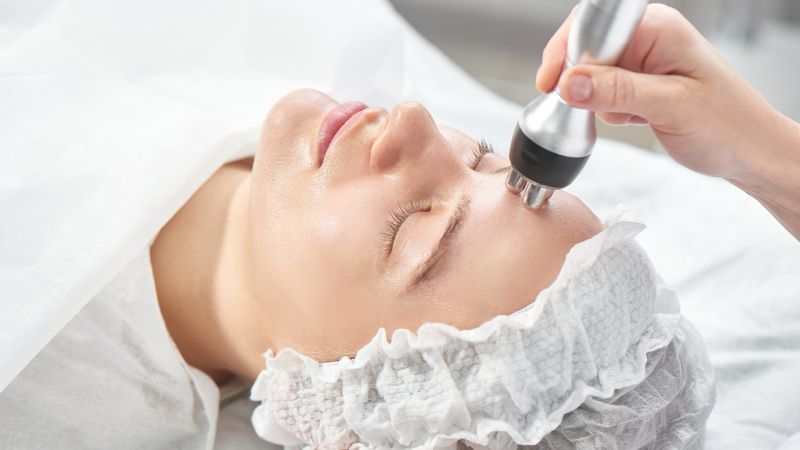
Microcurrent therapy uses low-level electrical currents to stimulate facial muscles and skin cells.
It mimics the body’s natural bioelectric currents, encouraging cellular repair and rejuvenation without causing discomfort.
This non-invasive treatment primarily targets muscle tone and overall skin vitality.
How Microcurrent Works
Microcurrent devices deliver gentle electrical impulses through the skin’s surface.
These impulses trigger several physiological responses:
- Activate ATP production in cells, boosting energy for repair
- Stimulate facial muscles, improving tone and firmness
- Increase blood circulation, enhancing nutrient delivery
- Promote collagen and elastin synthesis, reducing fine lines
Primary Benefits of Microcurrent
Microcurrent therapy offers multiple skin-enhancing effects:
- Lifts and tones sagging facial muscles
- Improves skin texture and reduces puffiness
- Diminishes the appearance of fine lines
- Enhances product absorption by increasing cellular activity
Common Treatment Areas
Practitioners typically apply microcurrent to these key regions:
- Forehead and brow area for lifting
- Cheeks and jawline for contouring
- Neck and décolletage for firming
- Under-eye area for reducing puffiness
Expected Results and Timeline
- Initial results appear after 1-2 sessions
- Significant changes require 6-10 treatments
- Maintenance sessions every 4-6 weeks sustain effects
What Is Radiofrequency (RF)?
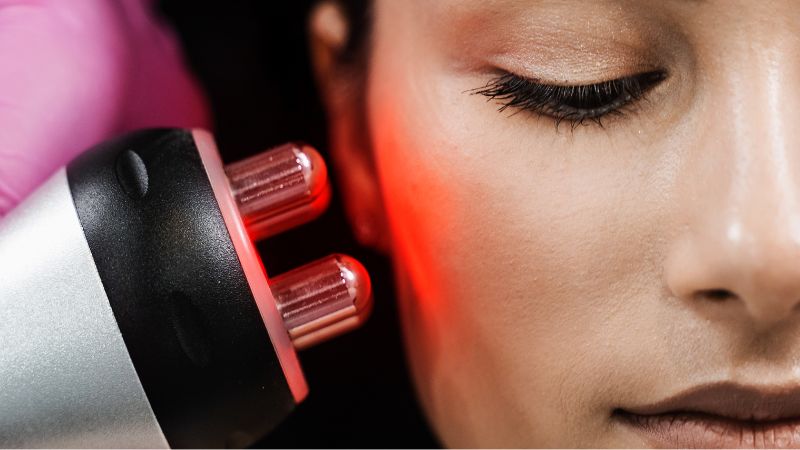
Radiofrequency employs electromagnetic waves to generate heat deep within your skin’s dermal layer. This thermal energy reaches temperatures between 52–55°C, stimulating your body’s natural collagen and elastin production.
The process remains painless and triggers a controlled thermal response that gradually tightens lax skin.
RF treatments focus on structural rejuvenation rather than muscle activation. You experience a warming sensation during the procedure, sometimes accompanied by mild redness that subsides quickly. Optimal results typically require 3–6 sessions, with no downtime needed between appointments.
- Targets skin laxity and deeper wrinkles
- Promotes collagen remodeling
- Delivers gradual but lasting skin tightening
Radiofrequency VS Microcurrent : Side-by-Side Comparison
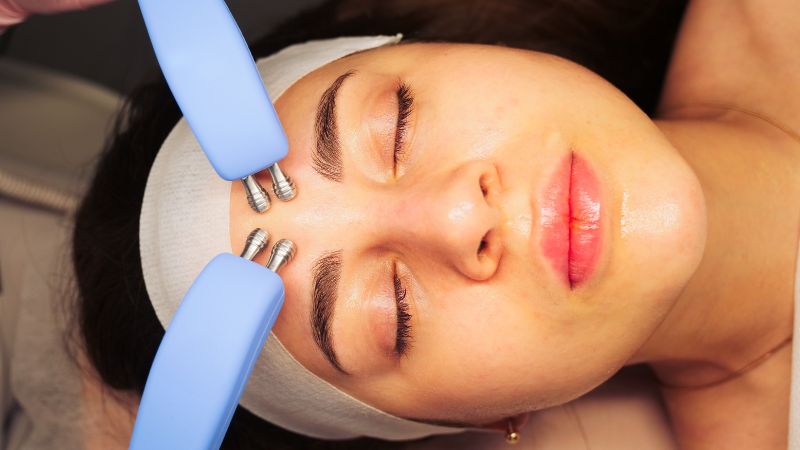
| Feature | Microcurrent | Radio Frequency (RF) |
|---|---|---|
| Technology | Low-level electrical current | Thermal energy (heat) |
| Primary Target | Facial muscles and circulation | Skin tightening and collagen production |
| Results | Immediate lift and muscle toning | Gradual skin firming and structural change |
| Sensation | None (sub-sensory microcurrents) | Warm sensation; mild redness possible |
| Downtime | None | Usually none |
| Ideal Candidates | Early aging signs, muscle tone | Skin laxity, deep wrinkles, sagging skin |
| Treatment Course | Visible after 1 session; best after 4-6 | Best results after 3-6 sessions |
Microcurrent therapy uses low-level electrical currents that mimic your body’s natural electrical signals. It stimulates and tones facial muscles, improves muscle definition, lifts sagging skin, and boosts cellular metabolism. You experience immediate lifting and toning effects with no downtime. Microcurrent also enhances absorption of skincare products.
Radio frequency therapy delivers controlled heat to the deeper layers of your skin. It stimulates collagen and elastin production and promotes tissue tightening. This thermal energy induces collagen remodeling, improving skin firmness, elasticity, and texture over time. RF typically addresses skin laxity, deeper wrinkles, and sagging by tightening skin rather than muscles.
Different treatments for different layers of the skin
| Treatment Aspect | Microcurrent | Radio Frequency |
|---|---|---|
| Primary Target | Facial muscles and superficial cells | Dermis (deeper skin layers) |
| Mechanism | Electrical current stimulation | Heat energy application |
| Immediate Effect | Subtle muscle lift | None |
| Long-Term Benefit | Improved muscle tone | Skin tightening and wrinkle reduction |
| Session Requirements | Multiple treatments for best results | 3-6 sessions for optimal outcome |
| Skin Type Suitability | All skin types | All skin types |
Can I use rf and microcurrent together?
You can use RF and microcurrent together, and many practitioners encourage this combination for optimal results.
A typical treatment sequence applies RF first to warm the skin and open pores, enhancing receptivity to the microcurrent that follows. This order further improves muscle toning and boosts absorption of skincare products.
Key benefits of combining RF and microcurrent:
- Targets multiple skin layers simultaneously
- Delivers both immediate and long-term improvements
- Enhances overall treatment efficacy
- Requires no downtime between or after sessions
What Skin Care Can I Do After the Microcurrent and RF Teatment?
Here is a concise, table-based guide for post-treatment care.
Post-Treatment Skincare Guide
| Time Period | Key Actions | Key Avoidances |
|---|---|---|
| First 24-72 Hours | Soothe & Hydrate: Use gentle products with Hyaluronic Acid, Ceramides, Panthenol. Protect: Apply a mineral sunscreen (SPF 30+) daily. |
No Actives: Avoid Retinoids, Vitamin C, AHAs/BHAs. No Heat: Avoid hot showers, saunas, sweating. No Makeup (first 24 hrs). |
| Days 4-7 | Reintroduce: Add antioxidant serums (e.g., Vitamin C). Continue: Intensive hydration and daily SPF. |
No Exfoliation: Still avoid retinoids and acid exfoliants. No Other Treatments. |
| Day 8+ | Resume Normal Routine: Gradually reintroduce actives like retinol, starting 2-3 times/week. | Always Avoid: Sun exposure without protection. |
Microcurrent vs RF: Which Is Better for Facial Lifting?
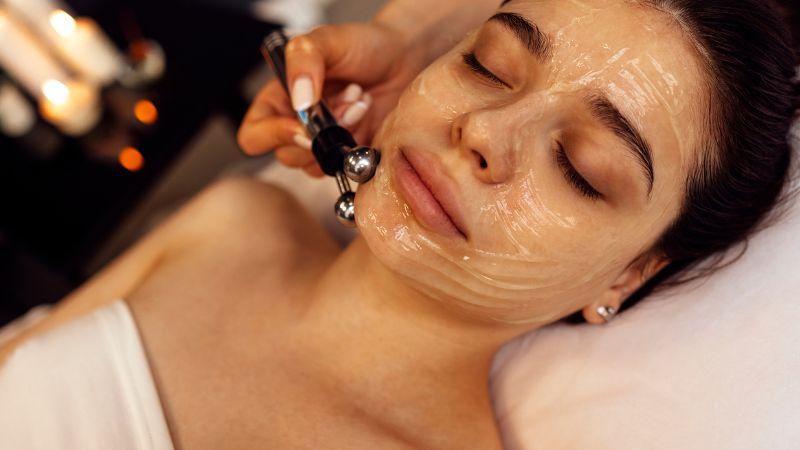
Select microcurrent for immediate lifting and muscle toning, especially if you have sensitive skin. Choose radio frequency for gradual skin tightening and wrinkle reduction over multiple sessions.
| Feature | Microcurrent | Radio Frequency (RF) |
|---|---|---|
| Primary Action | Muscle stimulation | Collagen stimulation |
| Result Timeline | Immediate | Gradual |
| Skin Type Compatibility | All skin types | Customizable, caution for darker skin |
| Best For | Lifting, contouring, sensitive skin | Loose skin, wrinkles, long-term firming |
Frequently Asked Questions
Is there any downtime after these treatments?
Both microcurrent and RF are non-invasive with no downtime. You may experience mild redness after RF, but it subsides quickly. Normal activities can be resumed immediately after each session.
Who is a good candidate for microcurrent therapy?
Ideal for those with early signs of aging, loss of muscle tone, or puffiness. It’s also suitable for sensitive skin types and anyone seeking a non-invasive lift with immediate visible results.
Who should consider radio frequency treatment?
RF is best for individuals with skin laxity, deeper wrinkles, or reduced elasticity. It’s effective for all skin types and focuses on structural rejuvenation rather than muscle activation.
Can these treatments be used on all areas of the face?
Yes, microcurrent is commonly applied to the forehead, cheeks, jawline, neck, and under-eyes. RF can be used on similar areas to tighten skin and smooth wrinkles, making it versatile for full facial rejuvenation.