
When it comes to achieving a sculpted silhouette, technological advancements in medical aesthetics provide numerous innovative options. One such method is lipo laser treatment.
What is Laser Lipolysis?
Laser lipolysis, often referred to as lipo laser treatment, is a cosmetic procedure that uses laser technology to target and remove stubborn fat deposits.
This advanced technique offers both minimally invasive and non-invasive options, making it suitable for a broad range of individuals looking for body contouring solutions.
Benefits of Lipo Laser Treatment
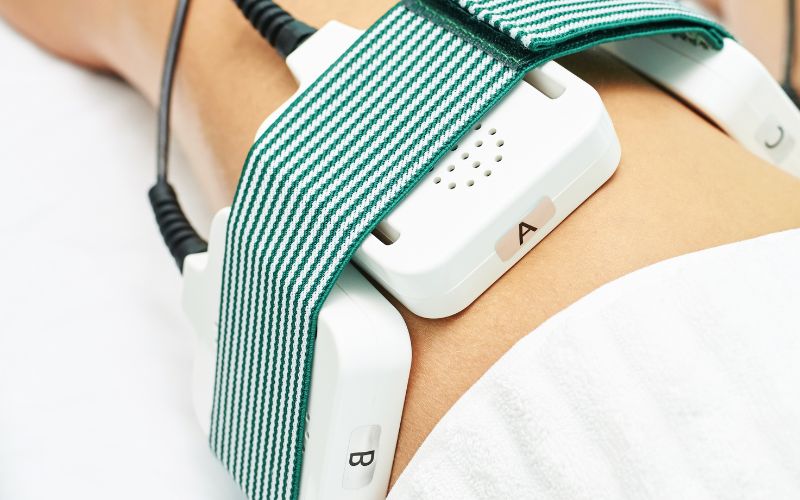
- Little to No Downtime: Patients typically resume daily activities within 1–3 days, unlike invasive liposuction, which may require 1–2 weeks of recovery.
- Reduced Pain and Discomfort: Most patients report only mild warmth, tingling, or pressure during the procedure, with no significant pain.
- Targeted Fat Reduction: The laser energy can be precisely focused on specific problem areas, allowing for customized contouring without affecting surrounding healthy tissue.
- Lower Risk of Scarring: Non-invasive lipo laser leaves no visible scars. Minimally invasive LAL uses tiny incisions which often <5mm that heal quickly and fade to nearly undetectable marks.
Potential Risks and Side Effects
- Burns or Skin Damage: If the laser energy is too high, the device is misapplied, or the provider fails to monitor skin temperature, it can cause first- to second-degree burns, blistering, or hyperpigmentation.
- Asymmetry or Uneven Fat Reduction: Improper targeting of the laser may lead to uneven contouring—for example, one thigh appearing slimmer than the other, or irregularities in the abdomen.
- Allergic Reactions: In extremely rare cases, if broken-down fat cells are released into the bloodstream in large quantities, it could theoretically lead to fat embolism.
Types And Techniques of Liposuction
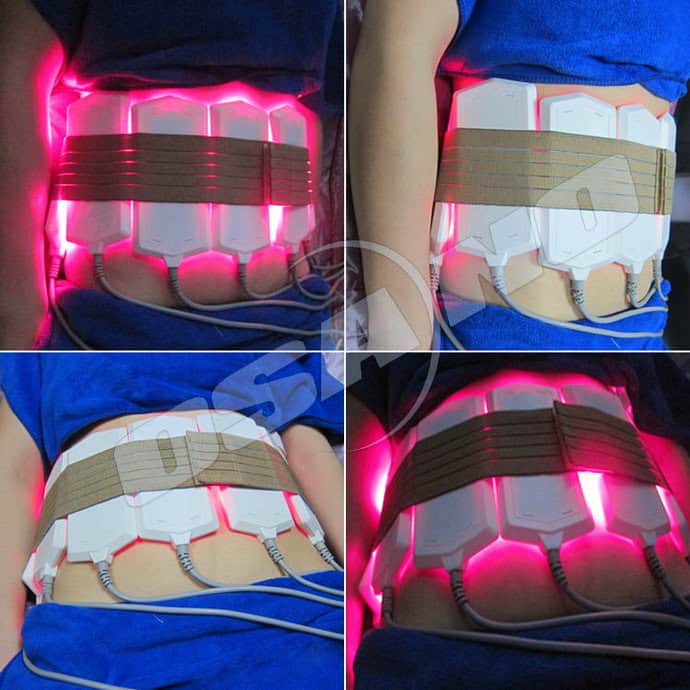
Mainly, there are two general types of liposuction.
Minimally invasive laser lipolysis involves tiny incisions through which lasers are applied to fat tissue, emulsifying it. The liquefied fat is then gently suctioned out.
Non-invasive laser lipolysis employs external paddles placed on the skin surface to emit energy that penetrates into fat layers, causing the destruction of targeted cells without any incisions.
Tumescent Liposuction
Tumescent liposuction involves the injection of a dilute solution containing an anesthetic and vasoconstrictor, minimizing blood loss and discomfort during the fat removal process.
Laser Liposuction
This technique leverages laser energy to liquefy fat, which is then gently suctioned out through small incisions. Benefits include quicker recovery and enhanced skin tightening.
Smart Liposuction (SmartLipo®)
SmartLipo® employs specialized laser wavelengths for precise fat removal along with advanced skin-tightening effects.
How Does Lipo Laser Treatment Work?
During a lipo laser treatment, precision-focused laser energy disrupts fat cell membranes, releasing their content.
While minimally invasive procedures may use cannulas to directly contact the fat layers, non-invasive methods work externally via controlled laser emissions.
Regardless of the approach, the body metabolizes the released fat, later strengthening the skin through collagen stimulation mechanisms.
Below is the step by step treatment of invasive lipo suction.
Start From Mapping and Marking
The physician outlines the target areas for fat removal to ensure precision during the procedure.
Anesthesia and Infiltration
A solution is infused into the treatment area, providing numbing effect and reducing bleeding.
Make a Tiny Incisions for Micro-Cannula Access
Small incisions accommodate the cannula or laser fiber for fat removal.
Building form with thin, layered increments
The surgeon removes fat systematically to achieve smooth, even contouring.
Closure and Compression
Incisions are sealed, and compression garments are applied to manage swelling and support the new shape.
What is the Targeted Area of Lipo Laser Treatment?
Chin
For smaller, targeted regions such as the chin, laser lipolysis offers precise sculpting and noticeable results.
Arms
Laser lipolysis can refine the contour of the arms, addressing stubborn fat while tightening skin for a smooth appearance.
Back Region
Back fat, especially along the upper and mid-back, is often overlooked but can affect posture and clothing fit.
Hip and Buttock
How Many Sessions of Laser Lipolysis are Needed?
The number of sessions required varies among individuals and depends on the treatment areas and desired results. Most people notice changes after about 6 weeks post-treatment.
Who is a Good Candidate for Laser Lipolysis?
The procedure suits those with persistent fat pockets in areas such as the abdomen, thighs, or arms, but it is not intended for individuals seeking significant weight loss or those coping with obesity.
Instead, it excels in fine-tuning body contours.
Frequently Asked Questions about Lipo Laser Treatment
What exactly is lipo laser treatment?
Lipo laser treatment, or laser lipolysis, is a technique that uses laser energy to target and reduce fat deposits in specific areas, offering both minimally invasive and non-invasive options for body contouring.
How does lipo laser treatment differ from traditional liposuction?
Unlike traditional liposuction that uses surgical incisions to remove fat, lipo laser treatment uses laser technology to liquefy fat for minimal invasion or completely non-invasive approaches, making it less intrusive and with shorter recovery times.
Is lipo laser treatment suitable for everyone?
This treatment is ideal for individuals with stubborn fat deposits who are near their ideal body weight but not for those seeking significant weight loss or managing obesity.
What are the potential risks of undergoing lipo laser treatment?
The procedure has minimal risks, but patients may experience minor swelling, redness, or discomfort at the treated site. Choosing a skilled practitioner can significantly reduce any adverse effects.