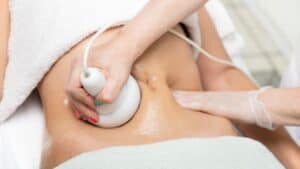
What is Red Light Therapy?
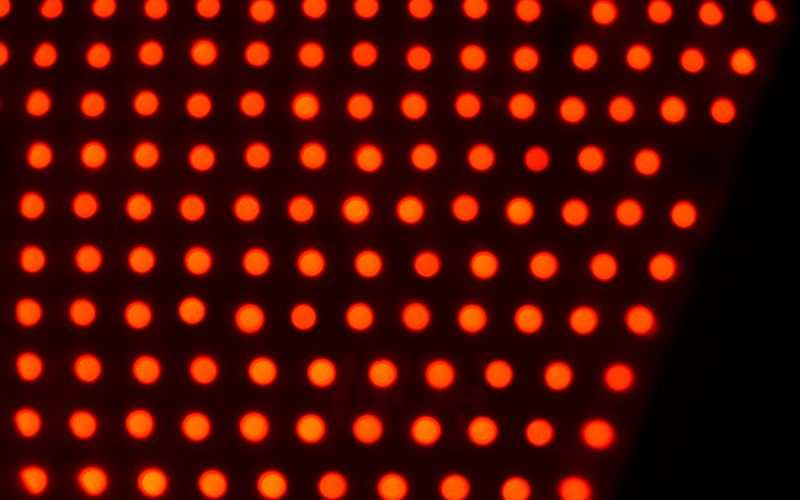
Red light therapy (RLT) is a non‑invasive skincare treatment that uses specific wavelengths of red and near‑infrared light to stimulate biological activity in skin and underlying tissue.
Sessions are often 10–20 minutes,short, painless, and require a series of treatments to build and maintain results.
How Does Red Light Therapy Work?
Red light therapy uses specific wavelengths of red and near‑infrared light to penetrate the skin and stimulate cellular activity.
When photons from the light source reach skin cells, they’re absorbed by mitochondrial chromophores, notably cytochrome c oxidase, which can increase cellular energy production.
That energy called ATP boost supports processes that matter for skin appearance: improved microcirculation, reduced inflammation, and enhanced collagen production.
Is Red Light Therapy Safe?
Yes — red light therapy is considered a safe, non‑invasive treatment.
Clinical studies and decades of use for wound healing and dermatologic applications report few adverse effects.
Typical safety notes:
- No downtime: RLT doesn’t damage the skin surface, so users generally return to normal activity immediately.
- Comfortable and painless: Most people feel nothing or a mild warming sensation.
- Eye protection: For high‑intensity devices, protective eyewear is recommended to avoid direct exposure to the eyes.
What Is Cellulite?
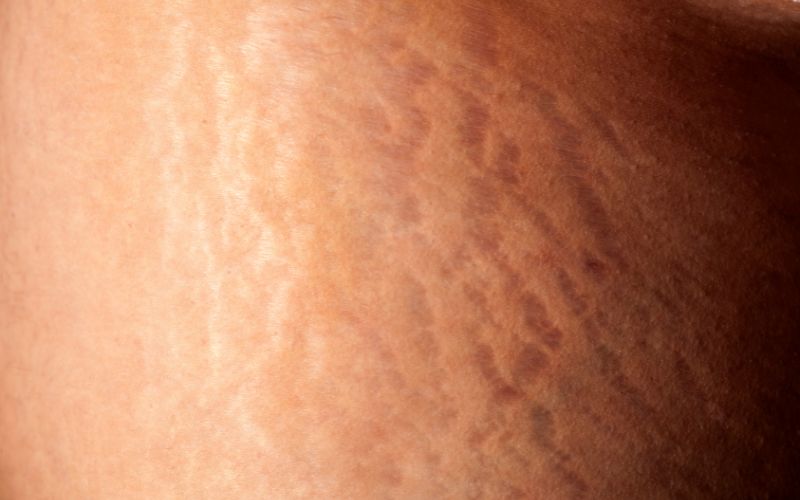
Cellulite is a common condition characterized by a dimpled, “orange peel” or lumpy appearance of the skin, most often on the thighs, buttocks, hips, and abdomen.
It’s extremely common—affecting people of many body types—and relates to how fat, connective tissue, and skin structure interact beneath the surface.
What Causes Cellulite?
Cellulite is multi‑factorial.
From the genetic perspect, family history, sex hormones, and gender‑specific fat distribution patterns all increase the cellulite risk.
Poor circulation and fluid retention can worsen the skin texture.
Age and hormonal factors is the normal reason which reduce collagen production and elasticity, weakening dermal support.
These all cause the cellulite.
How Is Cellulite Typically Treated?
Use topical creams and serums.
These cream aim to hydrate and temporarily firm the skin, however, the effects are usually modest.
You can also use massage and mechanical devices to improve circulation and lymphatic flow.
Energy‑based treatments is normalliy used to treat Cellulite. Radiofrequency, ultrasound cavitation, and laser therapy can break down fat, heat connective tissue, and stimulate collagen production.
Change the life style is another way. Exercise, healthy diet, and weight management can change body composition but won’t eliminate cellulite entirely because of connective tissue factors.
How Can Red Light Therapy Help with Cellulite
By increasing cellular energy and fibroblast activity, RLT promotes collagen synthesis and make a better blood flow.
Stronger, healthier collagen can smooth skin surface and reinforce connective tissue and the better blood flow can reduce fluid stagnation and deliver nutrients needed for tissue repair.
RLT can also reduces inflammation and oxidative stress. By lower the local inflammation and building a healthier dermal environment, it can minimize the puffiness that exacerbates dimpling.
Practical results and expectations Red light therapy is not a single‑session cure. Typical protocols involve multiple sessions per week for several weeks, followed by maintenance treatments.
Comparing Red Light Therapy with Other Cellulite Treatments
A practical comparison of commonly used modalities:
- Red Light Therapy (RLT)
- Strengths: Non‑invasive, stimulates collagen production, safe, comfortable, suitable for home or clinic use.
- Limitations: Results appear gradually and require ongoing maintenance; less dramatic than surgical or injectable approaches.
- Radiofrequency (RF)
- Strengths: Penetrates deeper to heat dermal layers, tightens skin, and can produce more immediate contraction.
- Limitations: More expensive sessions; occasional mild discomfort; may require clinician‑grade devices for best results.
- Ultrasound Cavitation & Cryolipolysis
- Strengths: Target fat reduction with measurable volume change.
- Limitations: Primarily address fat volume rather than fibrous septae; may be less effective alone for the dimpled appearance.
- Injectables and Subcision
- Strengths: Can deliver dramatic, longer‑lasting improvement by mechanically releasing tight septae or filling depressions.
- Limitations: Invasive, risk of complications, downtime, and higher cost.
Chart — Quick comparison
| Treatment | Non‑invasive | Collagen stimulation | Typical downtime | Best for |
|---|---|---|---|---|
| Red Light Therapy | Yes | High | None | Skin texture, mild–moderate cellulite |
| Radiofrequency | Yes | Moderate–High | Minimal | Tightening, moderate cellulite |
| Ultrasound/Cryolipolysis | Yes | Low | Minimal | Fat reduction, contouring |
| Subcision/Injectables | No | Variable | Moderate | Deep dimples, severe cellulite |
How to Choose a Red Light Therapy Machine for Cellulite Reduction?
Device type and wavelength
Look for devices that emit wavelengths in the red around 620–700 nm and near‑infrared around 800–880 nm ranges.
Power density and treatment area
Higher irradiance allows effective dose delivery in shorter sessions. Consider the size of the treatment panel cause the larger arrays cover more area quickly and are practical for body zones like thighs and buttocks.
Clinical backing and certifications
Choose the devices with published clinical data, CE, FCC, or other equivalent certificates, and transparent technical specifications.
Osano Red Light Therapy Machines
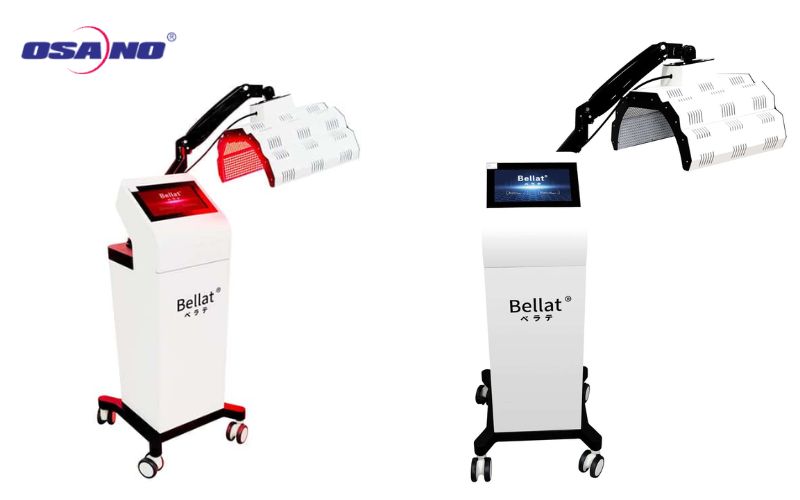
If you’re evaluating equipment for professional cellulite protocols, visit Gzosano to review product options, specifications, and service details.
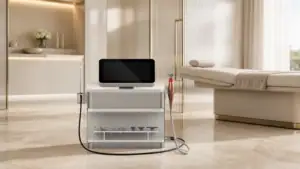
This facial light therapy photodynamic machine is a clinic‑grade, multi‑purpose body‑contouring and facial rejuvenation device that combines PDT/LED red‑and‑near‑infrared illumination with design and controls suited for skin tightening, collagen stimulation, wrinkle improvement and targeted body contouring.
Key features
- PDT + LED combination: Photodynamic/LED light therapy suited for skin rejuvenation, improved collagen production and tissue repair.
- Dual face & body use: Designed to treat smaller facial areas like wrinkles, skin firmness and larger body zones such as cellulite, laxity, contouring.
Practical Treatment Plan Recommendations
- Protocol example (typical): 2–3 sessions per week for 6–8 weeks, each 10–20 minutes per treated area; then maintenance sessions once every 2–4 weeks.
- Combine therapies: For improved outcomes, pair RLT with RF or mechanical massage to address both connective tissue and fat distribution.
- Track progress: Photograph and measure treated areas to document changes in skin texture and patient satisfaction.
FAQs
Can red light therapy eliminate cellulite completely?
No single treatment universally eliminates cellulite.
How long until I see results?
Changes will be seen after 6–12 weeks of consistent treatment.
Is RLT painful?
No — RLT is typically painless.
Are there any side effects?
Side effects are rare. Some people may experience temporary redness or mild warmth.
How does red light therapy compare to laser therapy?
Laser systems may achieve deeper penetration but can increase cost and complexity.