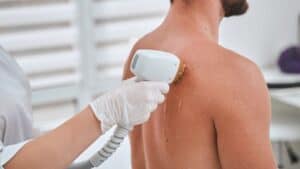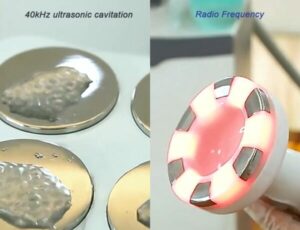
Piezo wave therapy uses electrically activated piezoelectric elements to produce focused acoustic energy. Pneumatic ballistic systems generate pressure waves through a different mechanism, and electromagnetic equipment forms another technology category. For buyers considering cellulite, pain-relief or body-contouring services, the first step is to identify the actual generator and documented application. This guide explains the differences and connects them with relevant OSANO equipment and purchasing questions.
What Is Piezo Wave Therapy?
Piezoelectric systems use an arrangement of piezo-ceramic elements. An electrical pulse causes these elements to expand briefly, creating pressure pulses that converge in a defined treatment zone. The arrangement of the source determines the acoustic field, so “focused” describes the energy delivery rather than the appearance of the machine.
Focused Energy and Treatment Depth
A focused system concentrates acoustic energy within a specified region. Its focal depth, focal dimensions and output depend on the particular source and configuration. Buyers need model-specific information to understand where the energy is delivered and which accessories are required for that configuration.
The term piezo wave therapy should be used when the manufacturer identifies a piezoelectric source. A touchscreen, interchangeable applicator or portable housing gives little information about the generator inside. Confirm the technical description before comparing a machine with a focused piezoelectric platform.
Piezoelectric and Electromagnetic Systems
Piezoelectric and electromagnetic describe different ways of producing acoustic energy. Electromagnetic wording alone also leaves questions about the supplied applicator and energy field. A useful product description identifies both the generator and the delivery characteristics, allowing buyers to connect the equipment with its documented application.
Avoid transferring the focal depth, treatment settings or performance claims of one system to another. Even equipment sold under similar shockwave terminology can have different operating characteristics. The manual and current technical specification should resolve these differences.
How Ballistic Acoustic Wave Therapy Works
In a pneumatic ballistic system, compressed air accelerates a projectile within the applicator. Its impact is transferred through the transmitter to generate mechanical pressure waves. These are commonly described as radial pressure waves, spreading from the contact area rather than converging in a deep focal zone.
For a purchasing comparison, distinguish the pneumatic mechanism from a piezoelectric source. Applicator design, compressor requirements and transmitter configuration are relevant to the ballistic system. Focal-zone dimensions are relevant when evaluating a documented focused platform. The supplier should explain which measurements apply to the exact equipment offered.
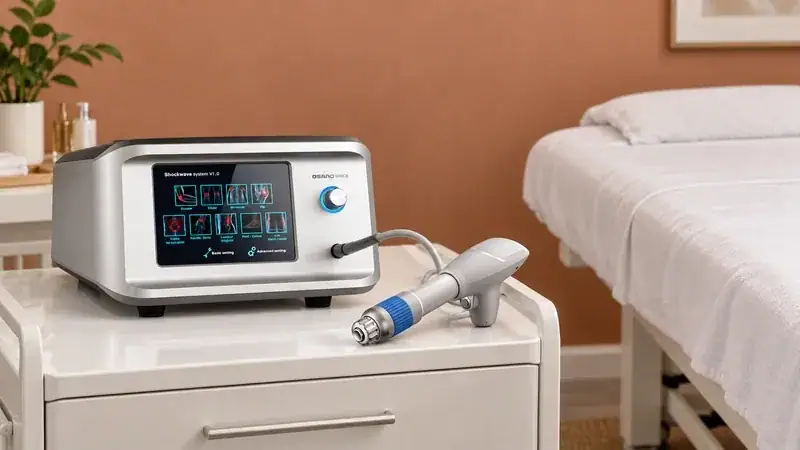
OSANO SHOCK LM-S500S Acoustic Wave Therapy Machine is described on its official page as a compressor-driven ballistic acoustic-wave system. The page positions it for cellulite and body-shaping applications. That description provides a concrete basis for discussing the pneumatic category with OSANO.
OSANO Wave Therapy Equipment to Compare
Two relevant OSANO product families are OSANO WAVE and OSANO SHOCK. Their names and applications appear within the broader shockwave category, while the generator description is essential to a meaningful comparison. Keep each product linked to its own specification and quotation.
OSANO WAVE LM-S500W
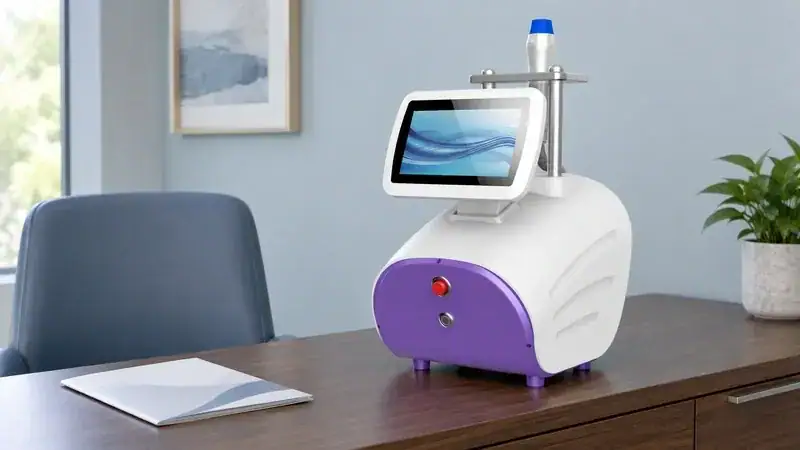
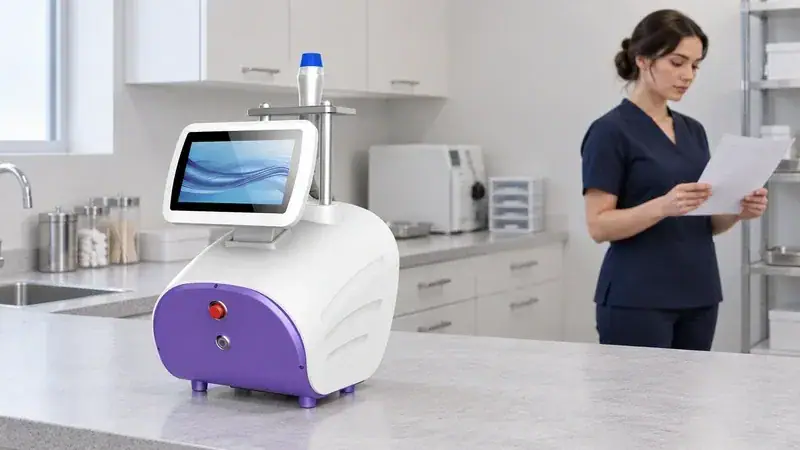
OSANO WAVE LM-S500W Portable Wave Therapy Machine has a compact tabletop design with a raised display and a handpiece holder. Its official product page uses “Piezo” in the title and “Electromagnetic” in the description. These terms require clarification before the machine is presented as a confirmed piezoelectric focused system.
Ask OSANO to identify the current generator and applicator configuration in the technical documents supplied with the quotation. The product can be discussed as a portable wave-therapy option while that question is resolved. Any description of focal depth or energy concentration should follow the confirmed configuration.
OSANO SHOCK LM-S500S
The OSANO SHOCK page provides a clearer statement about its compressor-based ballistic mechanism. Buyers considering an acoustic-wave device for cellulite-focused body services can use that mechanism as the starting point for their comparison. Confirm the precise model designation, supplied applicator and transmitter set when requesting an offer.
A product family name is useful for identifying the equipment, but the final quotation should specify what will be supplied. Where website listings use additional model suffixes, ask whether those suffixes represent a different configuration or another listing of the same unit.
Wave Therapy for Cellulite and Body Contouring
OSANO’s related product pages discuss cellulite care and body-shaping applications. Buyers should translate those broad descriptions into a clearly defined service purpose. Improving the appearance of uneven skin texture, changing body circumference and reducing fat are separate objectives that require their own supporting information.
For a cellulite-oriented purchase, ask which application is documented for the quoted equipment and what evidence supports the proposed claim. A device described for mechanical tissue treatment should have its own explanation of the intended cosmetic outcome. The mechanism alone cannot establish a guaranteed result.
Define the Cosmetic Treatment Goal
Start with the specific appearance concern your business intends to address. Then compare the device’s intended use, transmitter options and technical documentation with that goal. This keeps the purchasing discussion focused on equipment capability and avoids adding unrelated services merely because a platform has several marketing labels.
Use realistic language in the service description. Avoid claims of permanent cellulite removal, guaranteed fat elimination or instant measurements. A quotation can identify the equipment and its configuration; expected outcomes require relevant evidence and appropriate client assessment.
Review Complementary Equipment Carefully
OSANO’s acoustic-wave pages discuss use alongside other body-contouring technologies. Each technology has a distinct mechanism and should retain its own documented purpose. Buyers considering a combination should request clear information about compatibility and the specific equipment involved.
Separate product selection from a treatment protocol. Purchasing two devices does not establish an appropriate sequence, timing or setting for combined use. Those details need the relevant operating guidance and professional assessment rather than a generic service-menu template.
Shockwave Equipment for Pain-Relief Applications
Pain relief introduces a clinical purchasing question. The device’s documented indication, the provider’s qualifications and the requirements applicable to the intended market determine whether a particular service can be offered. A cosmetic body-care application and a medical pain-management application should be assessed separately.
The OSANO WAVE page discusses pain-related uses, but its product terminology needs clarification. Request the current intended-use documentation for the exact unit, along with evidence relevant to the proposed application. A list of conditions on a sales page cannot establish suitability for every patient or treatment setting.
For a rehabilitation practice, identify the clinical application before comparing machines. For an aesthetic business, keep the service description within its documented scope. This gives both types of buyer a clearer basis for selecting equipment without promising recovery, replacing other treatment or guaranteeing pain relief.
How to Compare Piezo Wave Therapy Machines
A useful comparison begins with a consistent set of technical questions. Record the answers for each model and keep unresolved details visible. This is especially helpful when several quotations use different terms for the generator, applicator or output.
Confirm the Generator and Output Units
Ask whether the equipment uses a piezoelectric, electromagnetic, electrohydraulic or pneumatic source. Then request the relevant output specification and its measurement conditions. Pressure in bar, energy per pulse in mJ and energy flux density in mJ/mm² describe different quantities; compare each figure within its proper technical context.
A higher number in a different unit cannot establish greater treatment capability. Ask the supplier to explain how the stated output relates to the particular applicator and intended use. Keep that explanation with the specification rather than selecting equipment through numerical ranking alone.
Identify the Supplied Applicators
Request a complete list of handpieces, transmitters and other supplied accessories. Photographs help identify the machine’s appearance, while the written package list establishes the order contents. Optional accessories should be distinguished from the standard configuration.
For a focused system, ask for the documented focal depth and dimensions. For a pneumatic platform, ask about the compressor and transmitter configuration. The questions should follow the confirmed technology rather than treating all shockwave equipment as interchangeable.
Review the Quotation and Documentation
Check that the quotation, manual and product photographs refer to the same model. Confirm electrical requirements, warranty terms, spare-part availability and the documentation included with the order. These are purchasing questions to resolve with OSANO, rather than assumed features of every product.
Obtain a current price and delivery estimate for the required quantity and configuration. Keep any changes in an updated quotation so the team can compare the final offers accurately. A clear written specification is particularly valuable when the website terminology requires clarification.
Choose Wave Therapy Equipment for a Defined Purpose
Match the generator, acoustic delivery and documented application with the service you intend to provide. Piezo wave therapy, pneumatic acoustic-wave treatment and electromagnetic equipment require their own technical evaluation. A confirmed configuration gives your business a sound basis for comparing machines and describing its services.
Interested in OSANO WAVE or OSANO SHOCK equipment for your clinic or aesthetic business? Contact Us to discuss the appropriate product, current technical documentation and your purchasing requirements.