
Pelvic floor electromagnetic stimulation can give a med spa a structured way to serve middle-aged and older women seeking a private, fully clothed wellness experience. A successful program combines an appropriate chair, clinical oversight, careful screening, sensitive marketing, and a realistic return-on-investment plan.
This guide explains the service model, reviews the chair format, and shows how to evaluate demand, workflow, compliance, and equipment economics before purchasing.
Why Pelvic Floor Services Expand a Med Spa Audience
Urinary leakage and pelvic floor weakness can affect confidence, exercise, travel, sleep, and daily routines. These concerns commonly appear after childbirth and during menopause, and they can remain relevant as clients age. Many prospective clients search privately before discussing symptoms with a provider, which makes clear educational content and a discreet consultation process important.
A med spa with an established mature-women audience may already have suitable entry points through body wellness, menopause support, postpartum care, and age-management services. Pelvic floor services can create a new appointment pathway for these clients while strengthening referral relationships with licensed healthcare professionals.
Build a Dignity-Centered Client Journey
The room, intake process, and staff language shape the client experience. Use private scheduling, a closed treatment room, a calm explanation of the technology, documented eligibility screening, and a clear referral pathway. Staff should describe the service with respectful health language and give clients enough time to ask questions.
Advertising should focus on privacy, comfort, pelvic floor support, and professional assessment. Guaranteed outcomes, universal cure claims, and embarrassing messages create clinical and brand risk. Every claim should match the device documentation and the rules that apply in the clinic’s market.

How an Incontinence Chair Works
An electromagnetic incontinence chair applies a high-intensity electromagnetic field to the pelvic floor area while the client remains fully clothed and seated. The field induces repeated pelvic floor muscle contractions. A trained provider selects the applicable program, monitors comfort, records the session, and follows the manufacturer’s operating protocol.
Published research has reported improvements in urinary symptoms and quality-of-life measures after high-intensity focused electromagnetic stimulation. A 2025 systematic review also identified substantial variation and possible bias across available studies, which supports cautious claims and continued clinical evaluation. Clinics should treat this evidence as part of a broader purchasing review that includes local authorization and the specific device’s approved indications.
Review the OSANO Magchair-1
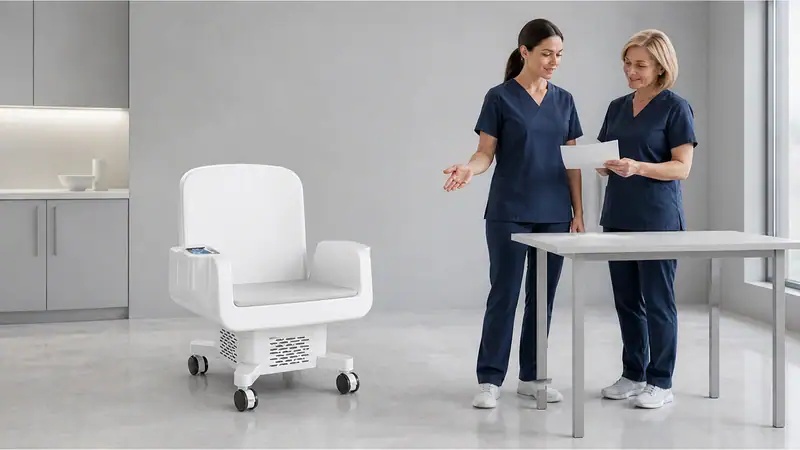
OSANO presents the Professional Electromagnetic Incontinence Chair as model Magchair-1. Its integrated chair format includes a molded white seat, a built-in control display, a ventilated lower housing, and a wheeled base. The official product page states that clients remain fully clothed during pelvic floor stimulation.
The physical format can support an efficient room workflow because treatment delivery occurs through the chair. A buyer should still confirm the exact configuration, technical documents, electrical requirements, device registration, warranty, training, service support, consumables, and shipment terms in the final quotation.
Use the Term Emsella Carefully
Emsella treatment is a common search phrase used by people researching chair-based electromagnetic pelvic floor therapy. EMSELLA is associated with a specific commercial system, while Magchair-1 is OSANO’s product model. Clear product naming helps buyers and clients understand which device a clinic actually uses and keeps marketing aligned with the purchased equipment.
Screening and Compliance for Emsella Treatment Services
A clinic should define its scope before launch. This includes who may assess clients, who may operate the device, which symptoms require medical evaluation, how consent is documented, how health information is protected, and which claims the clinic may publish. Requirements vary by country, state, province, and professional license.
Create a Medical Referral Pathway
Urinary symptoms can have several causes. Clients with pelvic pain, blood in the urine, recurrent infection symptoms, sudden bladder changes, neurological symptoms, recent pelvic procedures, or other concerning findings need evaluation by an appropriate licensed healthcare professional. The intake form and staff script should make referral decisions clear and consistent.
Follow Device Contraindications
Use the current manufacturer manual and qualified clinical oversight to screen for contraindications and precautions. Pregnancy, implanted electronic devices, metal in the treatment field, recent surgery, and relevant medical conditions may require exclusion or additional clearance depending on the device documentation. Staff should avoid relying on a generic online checklist because models and markets can carry different requirements.
Train the Whole Client-Facing Team
Operator training should cover settings, positioning, comfort monitoring, cleaning, documentation, and incident escalation. Front-desk and marketing staff also need approved language for common questions. Consistent explanations protect the client experience and help the business avoid claims that exceed the product’s authorized use.
Design an Emsella Treatment Service Menu
Begin with a consultation-led pathway. The initial visit can cover goals, symptom history, eligibility, expectations, consent, and referral needs. When the client is suitable and the service is permitted, the provider can recommend a course that follows the device manual and the clinic’s clinical protocol.
Plan the Room and Appointment Flow
Allocate enough space for the chair, safe movement, ventilation, cleaning access, and client privacy. Include time for check-in, screening updates, positioning, the programmed session, documentation, and rebooking. A fully clothed format may simplify room turnover, yet staff supervision and recordkeeping remain part of every appointment.
Set Packages Around the Approved Protocol
Package structure should follow the applicable treatment protocol. Buyers can model an initial assessment, a defined session series, a progress review, and maintenance appointments where clinically appropriate. Transparent pricing and written expectations support informed decisions and reduce pressure during a sensitive consultation.
Market to Mature Women with Respect
Useful content can answer practical questions about clothing, privacy, appointment length, screening, and what a client may feel during a session. Educational pages for menopause, postpartum recovery, active aging, and pelvic floor wellness can lead qualified readers to a consultation. Referral education for physicians, physiotherapists, and women’s-health professionals may also support a responsible lead channel.
Calculate Incontinence Chair ROI
Return on investment depends on the landed equipment cost, training, registration, room preparation, financing, warranty, maintenance, staffing, marketing, utilization, local session price, and client retention. A sales forecast should separate revenue from contribution margin so the owner can see how much cash is available to recover the investment.
Use a Simple Monthly Model
Monthly completed sessions equal available appointment slots multiplied by utilization. Monthly service revenue equals completed sessions multiplied by average collected revenue per session. Monthly contribution margin equals service revenue minus payment fees, operator time, allocated room cost, marketing, maintenance reserve, and other variable operating costs.
Simple payback in months equals total launch investment divided by monthly contribution margin. This calculation is an operating estimate and should be tested with conservative, target, and high-utilization scenarios. A longer payback period may still be acceptable when the chair supports retention, cross-referrals, and a strategically important women’s-wellness category.
Calculate the Break-Even Session Count
Monthly break-even sessions equal monthly fixed costs for the service divided by contribution margin per completed session. Include equipment finance payments, allocated rent, software, insurance changes, training amortization, and a maintenance reserve. Owners should also model cancellations, introductory offers, and the time required to build awareness.
Request Commercial Details Before Buying
Ask the supplier for the final device configuration, price basis, freight terms, installation needs, training scope, warranty coverage, remote support, spare-parts availability, expected lead time, and compliance documents for the destination market. Compare quotations on total ownership cost and service support as well as purchase price.
Decide Whether the Chair Fits Your Med Spa
The strongest fit is a med spa with a relevant client base, a private room, qualified oversight, reliable referral partners, and enough demand to support a scheduled program. The business also needs staff who can discuss sensitive symptoms with care and maintain consistent documentation.
Before committing capital, validate demand through existing-client research, local search behavior, referral conversations, competitor review, and a conservative financial model. Confirm regulatory eligibility and product documentation before publishing service claims or accepting bookings.
Plan Your Pelvic Floor Service
OSANO can provide product configuration, quotation, training, warranty, shipping, and documentation details for Magchair-1. Contact Us to discuss your market and service plan, or Request a Quote for the Professional Electromagnetic Incontinence Chair.