Buying a PDT LED light therapy machine starts with identifying the treatment it actually delivers. LED skincare uses selected wavelengths, while clinical photodynamic therapy combines light with a photosensitizing medicine. For clinics and salons, this distinction shapes product selection and the claims used to describe acne care, anti-aging and skin repair. The following guide explains the terminology, reviews OSANO Bellat’s published features and highlights practical purchasing questions.
What Is a PDT LED Light Therapy Machine?
Equipment suppliers sometimes use “PDT machine” to describe a multi-color LED platform. The label alone gives buyers limited information about the device’s medical indications, operating specifications or suitability for a particular service. Start with the exact model and its documented intended use.
Clinical Photodynamic Therapy
Clinical PDT combines a photosensitizing medicine with a suitable light source. The medicine is allowed to accumulate in the target area before illumination activates it. Treatment selection and aftercare depend on the condition, medicine and clinical protocol. Buyers considering this application need a system documented for the intended medical use.
A supplier’s product name cannot establish that a device is suitable for medicine-assisted PDT. Buyers considering this application should obtain documentation identifying compatible medicines, permitted indications and the requirements relevant to their practice. These details belong in the purchasing discussion before the equipment is advertised for medical treatment.
LED Light Therapy
LED skincare delivers light without applying a photosensitizing medicine as part of the treatment. Red-light therapy is also described as photobiomodulation. This category has different treatment goals and operating requirements from clinical PDT, so buyers should establish which category their proposed service falls within.
For the OSANO Bellat LED Light Therapy Machine, the official page identifies an LED spectrum operating handle and three listed wavelengths. The product’s intended use and current documentation should guide the service description.
OSANO Bellat PDT LED Machine Features
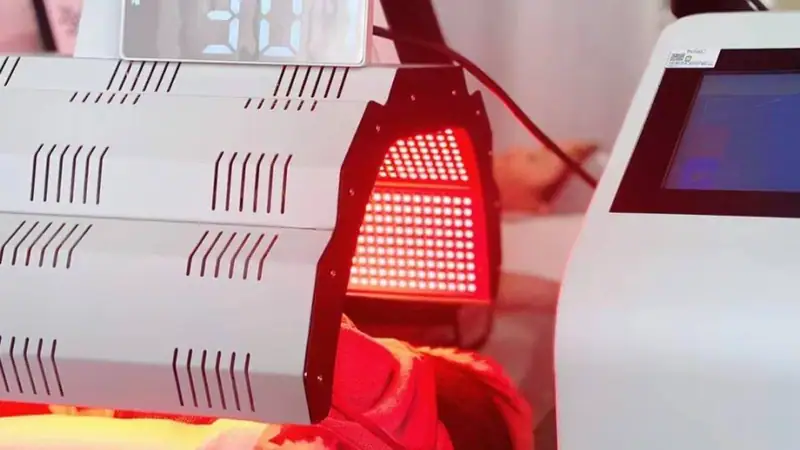
The Bellat product page lists 470 nm, 590 nm and 640 nm light options, a 10.5-inch touchscreen and a standing design for commercial use on the face and body. Official photographs show a white housing, black support arm, curved LED canopy and wheeled base. These details help buyers identify the machine being discussed and compare it with the supplied quotation.
The page also lists 11 W static power and 50 W maximum power. These figures are presented as equipment specifications; they do not establish the light dose delivered to skin. Buyers need separate information about optical output, measurement conditions and the treatment distance specified for the model.
For a model-specific comparison, keep the product name, photographs and quotation together. This makes it easier to check that a proposed unit has the same canopy, control screen and base as the equipment shown online. Any optional configuration should be identified in writing before purchase.
Blue Yellow and Red LED Wavelengths
Wavelength information provides a useful starting point for comparing LED devices. A color name describes a broad visual category, while the numerical wavelength offers a more specific reference. Buyers should also ask how each setting is selected and whether the quoted unit matches the published specification.
Blue Light at 470 nm
Bellat’s published blue option is 470 nm. When comparing an acne-oriented device, ask for evidence relevant to the exact wavelength and intended application. Research involving a different blue wavelength or a combined light system cannot automatically establish the performance of this particular model.
Yellow Light at 590 nm
The listed yellow option is 590 nm. Buyers considering a service aimed at uneven-looking tone or redness should request documentation supporting the proposed claim. A wavelength listing establishes an equipment characteristic; additional evidence is needed to explain an expected skin outcome.
Red Light at 640 nm
The listed red option is 640 nm. Red-light research is relevant to the broader discussion of skin rejuvenation, but outcomes depend on the device and treatment conditions. Compare the manufacturer’s documented application with the exact service you intend to offer rather than assuming every red-light platform performs alike.
LED Light Therapy for Acne
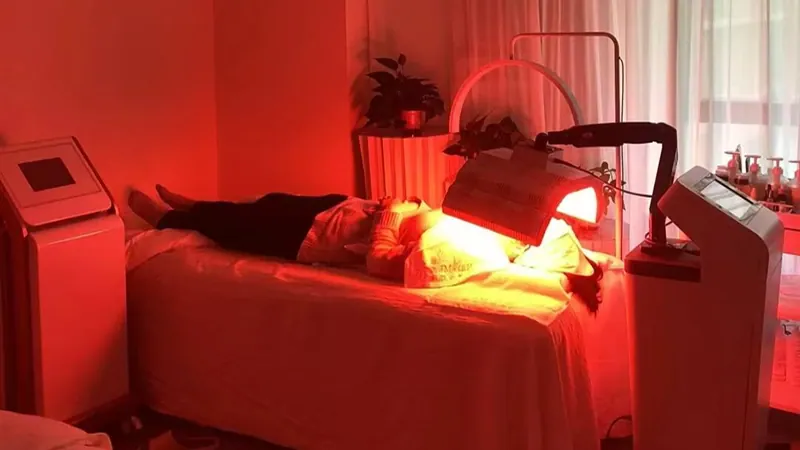
An acne-focused LED service should have a clearly defined purpose. Visible blue and red light may be used for certain inflammatory pimples within an appropriate care plan. Different acne types require different approaches, and results vary. For Bellat, the service description should reflect the exact model’s documented intended use and available evidence.
For equipment buyers, the practical question is whether the documented application matches the clients and concerns served by the business. A general acne claim should be reviewed against the specific device evidence. Treatment results reported for another platform should remain attached to that platform rather than being transferred to Bellat’s marketing copy.
Describe an acne-focused service with language that reflects the available evidence and the provider’s scope. Avoid promising complete clearance, permanent results or a fixed number of sessions based solely on a product listing. A written supplier response can help resolve questions about the proposed application before the purchase proceeds.
LED Light Therapy for Anti-Aging and Skin Repair
For an anti-aging service, define the appearance concerns the client wants to address, such as fine lines or rough-looking texture. Bellat lists a 640 nm red-light option, providing a specific wavelength to discuss with the supplier. The expected outcome, suitable application and treatment settings should be supported by documentation for the supplied equipment.
“Skin repair” needs a precise meaning in a service description. Cosmetic concerns about texture or appearance and medical concerns about damaged tissue involve different evidence and intended uses. Buyers should ask which application the supplier can document for the particular machine under consideration.
For Bellat, keep any rejuvenation description connected to verified product information. Wound healing, scar removal, postoperative recovery and guaranteed collagen changes require their own supporting evidence. Describe the service in terms of the specific cosmetic application documented for the machine, with expectations that match the information available for that configuration.
How to Compare PDT LED Machine Specifications
A useful comparison separates published facts from questions that remain open. Build the quotation around the exact model, then record the supplier’s answers alongside the corresponding specification. This approach gives the purchasing team a clearer basis for reviewing alternatives.
Check Light Output and Coverage
Ask for irradiance at the stated treatment distance, the units used and the area over which output was measured. Request clarification about uniformity across the canopy and how the supplier defines usable coverage. Electrical power, LED count and optical irradiance describe different characteristics, so each figure needs its own context.
If a supplier provides fluence data, ask how it was calculated and under which settings. Record the measurement conditions with the figure. A bare number without distance, duration or operating mode makes a comparison harder to interpret. These are requests for technical information, rather than published Bellat performance claims.
Confirm the Technology and Controls
Bellat’s page uses both LED spectrum and E-Light terminology. Ask OSANO to identify the systems included in the current configuration and explain whether the E-Light wording applies to a separate treatment function. The quotation and manual should resolve this question before an RF capability is included in promotional copy.
The touchscreen is a visible purchasing feature. Request a demonstration of wavelength selection and the controls supplied with the quoted unit. Compare the demonstrated interface with the manual so the team can understand what the equipment allows operators to select. Review the Complete Quotation
Ask the supplier to identify included accessories, electrical requirements, documentation, warranty coverage and any separately priced items. A written quotation should distinguish confirmed inclusions from optional extras. This gives buyers a consistent reference when comparing offers and preparing an order.
The Bellat page contains different lead-time statements. Obtain a current delivery estimate for the actual order and destination. Clarify packing dimensions and shipping arrangements in the quotation rather than repeating an online figure as a guaranteed commitment.
Before approving an order, check that the quotation names the same model as the manual and product photographs. Keep a record of the specification version supplied with it. If a feature changes during the discussion, ask for an updated quotation that reflects the final configuration. This avoids comparing an earlier description with a different unit offered later.
For competing offers, use the same questions and measurement units throughout. A lower price becomes easier to assess when the included equipment, documentation and delivery terms are clearly stated. Leave unanswered technical questions visible in the comparison until the supplier provides clarification.
Choosing a PDT LED Machine for Your Business
Select the machine around a clearly defined service and documented equipment capability. Compare the intended application, wavelengths, output information and physical design, then resolve any gaps with the supplier. The result should be a purchase decision grounded in the configuration being supplied.
Interested in the OSANO Bellat PDT LED light therapy machine for your clinic or salon? Contact Us to discuss the current configuration, product documentation and your purchasing requirements.