Understanding the Medical Spa Industry
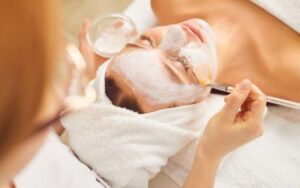
The medical spa sector sits at the intersection of medical aesthetics and traditional spa services.
It combines clinical procedures — such as injectables, laser hair removal, and energy-based treatments — with the client experience of a spa.
What to Know Before Opening a Medical Spa
- Regulatory complexity: Licensing and supervision requirements vary by state and country.
- Risk management: Medical procedures carry clinical risk.
- Differentiation: Compete on clinical quality, equipment and customer experience. High-quality devices like HIFU, RF, cryolipolysis, diode lasers and certified injectors are major selling points.
Who Can Open a Med Spa?
- Physicians (MD/DO): Often the legal clinic owner and medical director. Ideal for full clinical-service offerings.
- Nurse practitioners (NPs) and physician assistants (PAs): In many jurisdictions they can own or co-own with appropriate medical director oversight; scope varies by region.
- Non-medical entrepreneurs / spa owners: Can open a med spa but must secure a medical director, ensure licensed staff perform regulated procedures, and maintain compliant supervision and medical license arrangements.
Opening a Medical Spa Checklist
- Acquire medical license, delegation rules, supervision licensing
- Conduct market research and competitive analysis.
- Choose a compliant location.
- Acquire necessary licenses, certifications, and liability insurance.
- Hire licensed medical professionals, injectors, and spa staff.
- Purchase medical aesthetics equipment: lasers, injectables supplies, HIFU and RF.
- Establish clinical protocols, consent forms, and emergency procedures.
- Launch marketing, partnerships, and pre-opening promotions.
Med Spa Law Overview
Actually, the regulatory frameworks for med spas are not uniform.
The critical legal elements to verify are whether a physician medical director is required; what activities can be delegated to nurses, PAs, or non-medical staff; and how supervision must be documented.
In America, many states require a physician medical director to oversee treatments. Some states permit nurse injectors to practice under standing orders or protocols; others require direct physician presence for certain procedures.
When it comes to the advertising and representation, be careful not to imply medical expertise beyond licensed personnel.
Clarify who performs medical procedures in marketing materials.
How to Start a Med Spa Step by Step
Conducting Market Research
Begin by estimating the local population segments most likely to purchase medical aesthetics, mapping existing providers and assessing pricing parity.
Analyze seasonal trends and recurring revenue potential for treatments that require multiple sessions or maintenance visits.
Creating a Business and Marketing Plan
The business plan include mainly three Furtheremoreaspects: the executive plan, operational plan and the financial plan.
The executive summary should concisely present the spa business concept, target market, service offering, and financial goals.
The operational plan must define the role of the medical director, staff responsibilities, scheduling and patient flow, clinical protocols for procedures such as Botox and filler, and supply-chain logistics for disposables and injectables.
Financial projections should detail startup costs—facility build-out, equipment purchases, professional licensing, and initial marketing—alongside a two- to three-year profit-and-loss forecast and break-even timeline.
Acquire the Licenses and Insurance For Your Med Spa
Licensing encompasses facility registration, clinician credentials, and business permits.
Insurance coverage must include professional liability for medical staff, general liability for the facility, and equipment insurance.
Choosing a Location for Your Med Spa
Choose a site that is convenient for your target clientele and offers appropriate parking or transit access.
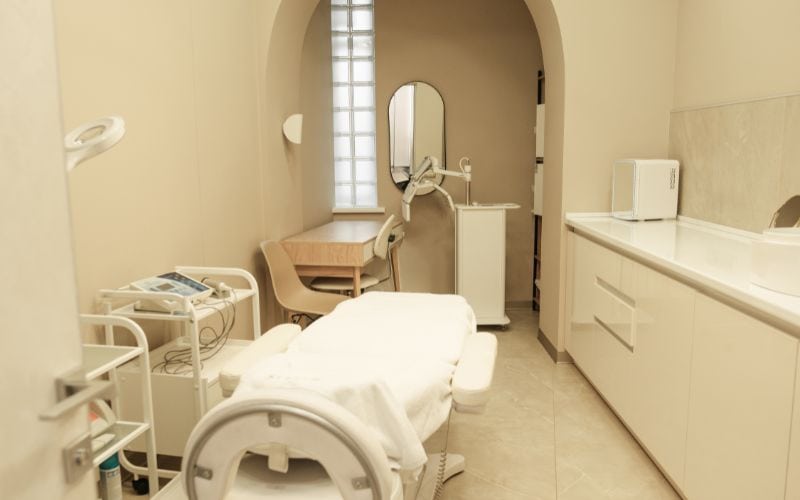
Ensure the space meets zoning rules and can accommodate electrical demands, ventilation, and room layouts suitable for medical procedures.
Furthermore, the treatment room size and privacy are important for procedures like injectables or laser hair removal, while back-of-house space for sterilization, consumable storage, and equipment maintenance improves operational efficiency.
Investing in Med Spa Equipment
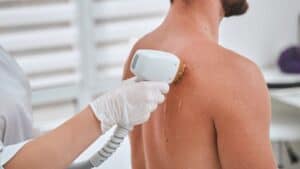
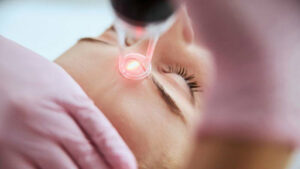
Equipment categories that frequently drive revenue include diode lasers for laser hair removal, radiofrequency and HIFU systems for skin tightening, cryolipolysis devices for fat reduction, and multi-function facial platforms for resurfacing and pigmentation treatment.
Injectable services such as Botox and filler require fewer capital devices but depend heavily on the skills of injectors and the quality of consumables.
For spa owners evaluating suppliers, OSANO offers a range of professional devices tailored to medical aesthetics, along with training and after-sales support intended.
Osano 808nm Ice Diode Laser Hair Removal Machine
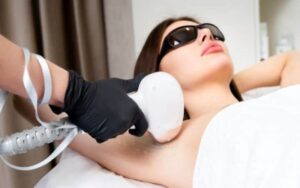
Osano 808nm Ice Diode Laser Hair Removal Machine is grade solution for targeted, pain-free hair reduction.
Engineered with triple wavelengths: 755nm, 808nm and 1064nm, making it versatile for every user: 755nm tackles fine, golden hair on light skin, 808nm targets brown hair on neutral skin, and 1064nm effectively removes black hair on dark skin.
With a 600W high-power laser bar (1,200W optional) and a large 12×12mm spot size, it covers broad areas like legs and backs 50% faster, cutting down session time without compromising results.
The intuitive touchscreen, handheld applicator, and auto-parameter adjustment make operation seamless.
Osano S600V Non-Invasive Fat Reduction Coolsculpting Machine
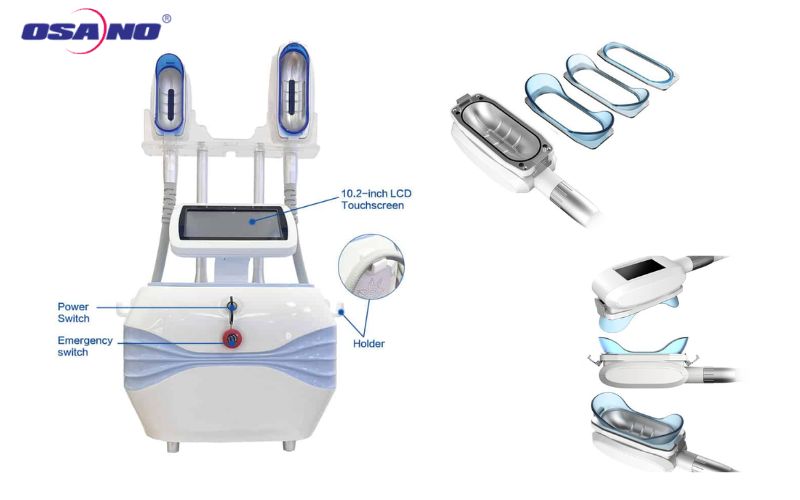
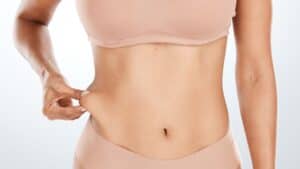
Osano S600V Non-Invasive Fat Reduction Coolsculpting Machine sculpted body without surgery or downtime.
Designed for clinics and medspas, this device targets hard-to-treat areas with precision, delivering visible results: reduce fat layers by 30–50% per session, with permanent fat reduction as the body naturally clears dead cells over 15–30 days.
The machine boosts efficiency with dual applicators letting you treat two areas at once, while the 8-inch LCD touchscreen offers real-time control.
High-conductive aluminum cooling panels ensure uniform energy distribution, and built-in safety features minimize frostbite risks.
Beyond fat reduction, it integrates vacuum suction and LED therapy to enhance results—pair it with shock wave therapy or ultrasonic cavitation for faster fat breakdown and skin tightening.
Crafted with German-engineered components and CE/ROHS/IEC certifications, it’s reliable, silent in operation, and customizable in color. With a 45kg compact design (53×37×55cm) and flexible payment it’s the perfect addition to any body-sculpting practice.
Frequently Asked Questions
Do I need a medical director to open a med spa?
Generally, yes — a medical director is typically required.
Can non-medical spa owners perform injectables?
No — injectables like Botox and dermal fillers must be administered by licensed medical professionals.
How much does it cost to open a med spa?
Costs can be vary widely from equipment, lease or buildout, staffing, to licensing and marketing.
What procedures attract the most clients?
Injectables like botox and fillers, laser hair removal, body contouring, and skin tightening, etc.
How do I choose equipment suppliers?
Prioritize clinical data, training, warranty/service, and a clear ROI estimate. Manufacturers with long-term support can reduce risk.
What’s required for insurance?
Standard insurance like professional liability for clinicians, general liability, and property or equipment insurance are needed.