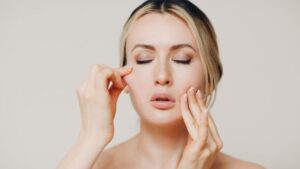
Skin analysis enables professionals and individuals alike to evaluate the skin’s conditions accurately, reveal its underlying needs, and select appropriate treatments and products for a targeted skincare regimen.
Let us investigate into the world of skin analysis to understand its significance, methodical approaches, and benefits.
Key Takeaways
- Skin analysis is an essential procedure for understanding skin types and conditions to optimize skincare routines.
- Professionals, such as estheticians, use skin analysis to customize treatments and enhance client satisfaction and trust.
- The four primary skin types include normal, dry, oily, and combination, each with unique characteristics demanding tailored care.
- A systematic skin analysis process involves steps such as consultation, visual and tactile examination, and formulating a personalized skincare plan.
- Implementing advanced tools like magnifying lamps and skin analyzers enhances accuracy and enables precise treatment recommendations.
What is Skin Analysis?
Skin analysis is a detailed evaluation process wherein the skin’s condition and type are extensively examined. This practice identifies skin concerns such as acne, dryness, oiliness, or sensitivity and factors in elements like texture, hydration, pigmentation, and elasticity. Estheticians employ this proficiency to tailor personalized skincare solutions that meet specific client requirements.
5 Reasons Why Skin Analysis is Essential for Estheticians
Understanding clients’ skin types and issues is vital for professionals to provide effective treatments. Let us explore five reasons why establishing a thorough skin analysis process is indispensable for every esthetician:
- Identify Skin Types and Conditions: Accurately diagnosing skin helps locate prevalent issues and recommend effective remedies.
- Customize Treatments: Tailoring personalized care builds more impactful solutions.
- Track Progress: Regular analysis aids in measuring improvement milestones.
- Enhance Client Satisfaction: A well-delivered consultation fosters trust and satisfaction.
- Professional Development: Demonstrating expertise strengthens reputational credibility and skills.
The Four Primary Skin Types
The skin types broadly categorize functional skin behaviors and define common characteristics. These primary types are:
- Normal Skin: Balanced, with a vibrant and healthy outlook.
- Dry Skin: Lacks natural hydration, leading to a flaky texture.
- Oily Skin: Subject to excessive sebaceous activity, causing shine and frequent breakouts.
- Combination Skin: Highlights varying conditions such as an oily T-zone with dry cheeks.
| Category | Key Ingredients | How They Work |
| Cleanser | Salicylic Acid (BHA, 0.5-2%), Benzoyl Peroxide (2.5-5%), Zinc Pyrithione | BHA unclogs pores; Benzoyl Peroxide kills bacteria (start with 2.5% to avoid dryness). |
| Toner | Witch Hazel (alcohol-free), Niacinamide (2-5%), Green Tea Extract | Soothes inflammation; reduces redness. |
| Serum | Benzoyl Peroxide (2.5-10%), Azelaic Acid (10-20%), Clindamycin (prescription) | Targets bacteria/inflammation; Azelaic Acid fades post-acne marks. |
| Moisturizer | Oil-Free, Non-Comedogenic, Fragrance-Free, Ceramides + Hyaluronic Acid | Hydrates without clogging; repairs barrier (acne treatments often dry skin). |
| Sunscreen | Oil-Free, Non-Comedogenic, Mineral or Chemical (avoid oxybenzone if irritated) | Prevents sun-induced darkening of post-acne marks. |
| Weekly Treatments | Exfoliant (BHA 1-2%, 2x/week), Spot Treatment (Benzoyl Peroxide 5-10%, as needed) | Unclogs pores; targets active breakouts. |
Steps for Effective Skin Analysis
Executing a thorough skin analysis entails the following systematic steps:
Step 1: Client Consultation
A brief discussion about the client’s existing skincare routine, primary concerns, and any medical history related to dermatological health forms the initial foundation.
Step 2: Visual Examination
Observing the skin under natural lighting reveals its surface conditions, from visible pores to pigmentation and overall texture.
Step 3: Tactile Examination
Using gentle palpation techniques evaluates hydration levels, elasticity, and sensitivity.
Step 4: Magnifying Examination
Utilizing equipment such as a magnifying lamp allows for an enhanced view, helping detect hidden issues like fine lines and pore clogging.
Step 5: Analysis and Recommendation
Assess the accumulated findings and formulate a customized skincare regimen that aligns with the client’s goals.
Tools for Accurate Skin Analysis
Comprehensive skin evaluations greatly benefit from the use of professional tools such as:
magnifying lamp:
- Magnifying Lamp: Aids in a detailed visual inspection.
- Wood’s Lamp: Detects pigmentation deeper down the skin layers.
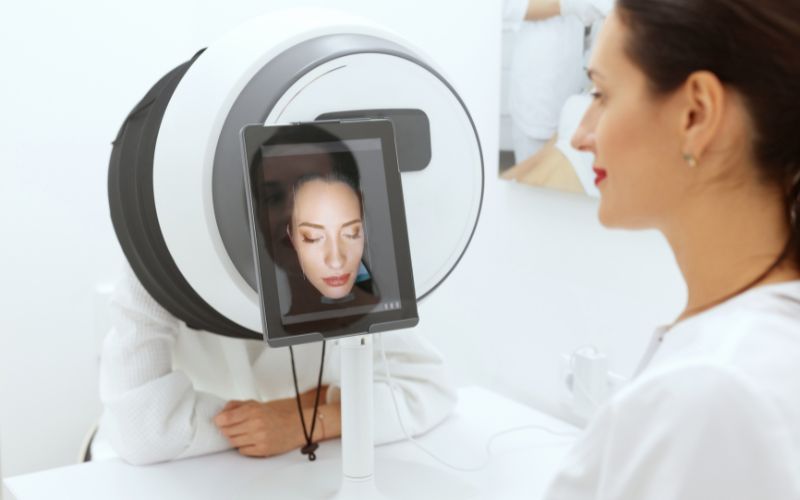
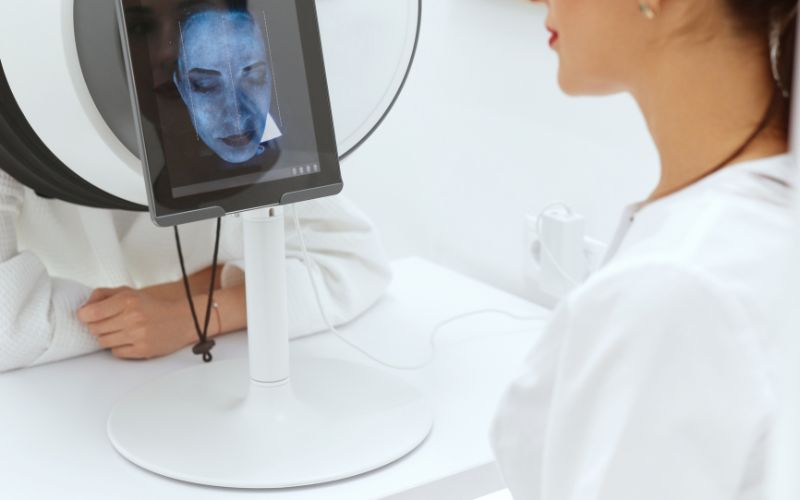
- Cutting-edge Skin Analyzers: Offers data-driven insights into factors like hydration, elasticity, and melanin levels.
Identifying Skin Types and Conditions
A detailed skin analysis helps pinpoint both inherited skin type characteristics and transient conditions such as acne or hyperpigmentation. This depth of understanding leads to more precise treatments.
Common Skin Conditions
Clients often face issues that range from persistent acne and rosacea to occasional episodes of dehydration and discoloration. Awareness of these conditions ensures you match clients with appropriate regimens and solutions.
Recommending Treatments and Products
Upon completing the analysis, recommending treatments backed by both empirical findings and expert knowledge is vital. Prioritize educating clients on lifestyle changes and establishing a skincare regimen tailored to address immediate concerns and preserve long-term skin health.
Frequently Asked Questions
What is the purpose of conducting a skin analysis?
Skin analysis aims to evaluate skin type and condition to develop customized skincare treatments and recommend suitable products.
How do professionals examine the skin accurately during analysis?
Professionals use tools such as magnifying lamps and Wood’s lamps to detect underlying skin concerns and assess various factors like hydration and pigmentation.
Which steps are involved in a comprehensive skin analysis process?
A thorough skin analysis includes consultation, visual and tactile examination, use of analytical equipment, and personalized recommendations.
Why is skin analysis essential before starting any treatment?
Know the skin’s specific needs, the tailored regimen can be created to maximize treatment effectiveness while ensuring individual care.