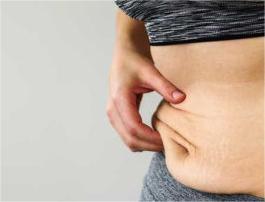
In this guide, we cover everything you need to know about body shaping machines, the technology behind them, the risks involved, and how to find the right clinic or device for your goals.
What Are Body Shaping & Non-Invasive Body Contouring Machines?
Body shaping machines are devices designed to contour, tone, and reshape the body by targeting fat cells, building muscle, or improving skin elasticity — often all at once. Used in professional clinics and increasingly at home, they rely on cutting-edge technology to deliver results that once required invasive surgery.
Non-invasive body contouring refers specifically to treatments that reshape the body without incisions or anaesthesia. These treatments work beneath the skin using energy-based technology, making them a safe, accessible alternative to procedures like liposuction.
How Non-Invasive Body Sculpting Technology Works
Different machines use different mechanisms, but the core goal is the same: reshape and define the body without surgery. Here’s a breakdown of the most widely used technologies:
- Ultrasound Cavitation — Uses low-frequency sound waves to break down fat cell membranes, releasing stored fat to be metabolised naturally
- Radiofrequency (RF) — Delivers controlled heat energy deep into the skin to stimulate collagen production and tighten loose skin
- EMS (Electrical Muscle Stimulation) — Sends electrical impulses to muscles, causing involuntary contractions that build tone and strength
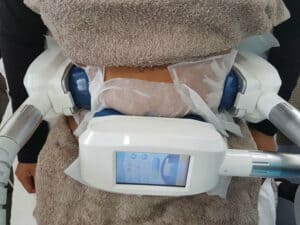
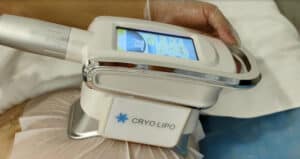
- Cryolipolysis (Fat Freezing) — Freezes and destroys fat cells in targeted areas with no downtime required
- Vacuum Therapy — Uses suction to improve lymphatic drainage, reduce cellulite, and contour the body
- Low-Level Laser Therapy (LLLT) — Targets fat cells with laser energy to shrink them, often used for waist and thigh contouring
Types of Body Contouring & Body Sculpting Machines
Professional Clinic-Grade Technology
Used in clinics and medspas, these machines deliver the most powerful results. Operated by trained technicians, they often combine multiple technologies in a single device — for example, RF + cavitation + vacuum in one treatment head. Popular professional brands include Zimmer, Venus Concept, and BTL Aesthetics.
Home-Use Non-Invasive Body Contouring Devices
Compact and user-friendly, at-home devices have grown significantly in quality in recent years. They’re ideal for maintenance between clinic sessions or for those who prefer privacy and convenience. Common home devices include handheld RF wands, EMS belts, and portable cavitation tools.
RF Technology in Non-Invasive Body Contouring
Radiofrequency (RF) is one of the most widely used technologies in modern body sculpting. RF energy heats the deeper layers of skin and subcutaneous tissue, triggering the body’s natural collagen production and tightening loose or lax skin.
RF is particularly effective for:
-
Post-weight-loss skin laxity
-
Abdominal tightening after pregnancy
-
Contouring the arms, thighs, and flanks
-
Facial and jawline lifting when used with appropriate clinic-grade devices
Many clinic machines combine RF with vacuum therapy or cavitation to maximise fat reduction and skin tightening in a single session.
Vacuum Therapy: How It Enhances Body Sculpting Results
Vacuum therapy is a non-invasive body contouring technique that uses mechanical suction to lift and massage the skin, stimulate lymphatic drainage, and break down fatty deposits. It’s commonly used in combination with RF and cavitation at professional clinics for enhanced contouring results.
Key benefits of vacuum therapy include:
-
Reduced appearance of cellulite
-
Improved blood circulation and lymphatic flow
-
Enhanced absorption of RF and ultrasound energy into deeper tissue
-
Visible smoothing and tightening of the treated area
Top Benefits of Non-Invasive Body Contouring Technology
-
No surgery required — No incisions, no anaesthesia, no hospital visits
-
Minimal to zero downtime — Most treatments allow you to resume daily activities immediately
-
Targeted fat reduction — Address specific problem areas like the abdomen, thighs, arms, and flanks
-
Skin tightening via RF — Stimulates collagen for firmer, smoother skin
-
Improved circulation and drainage — Vacuum therapy reduces water retention and puffiness
-
Complements exercise — EMS technology enhances muscle tone alongside regular workouts
-
Cost-effective over time — Especially for home devices versus repeated clinic visits
Risks Associated with Body Shaping Machines
While non-invasive body contouring is generally safe, it’s important to understand the risks associated with each technology before beginning treatment.
RF Risks
-
Temporary redness, warmth, or swelling after treatment
-
Burns or blistering if the device is used incorrectly or at too high an intensity
-
Rare cases of paradoxical fat increase (more common with cryolipolysis than RF)
Cavitation Risks
-
Not suitable for people with liver or kidney conditions, as the body must metabolise released fat
-
May cause bruising or mild swelling in sensitive areas
-
Contraindicated near metal implants or electronic devices like pacemakers
Cryolipolysis Risks
-
Temporary numbness, tingling, or skin sensitivity post-treatment
-
Paradoxical adipose hyperplasia (rare but documented — fat cells grow rather than shrink)
-
Not suitable for individuals with cold-sensitivity conditions like Raynaud’s disease
General Risks Associated with All Body Contouring Treatments
-
Results vary significantly between individuals based on body composition and lifestyle
-
Over-treating an area can cause skin irritation or tissue damage
-
Home devices used incorrectly carry a higher risk of adverse effects than clinic treatments
-
Not recommended for pregnant women, people with active skin infections, or those with certain cardiovascular or neurological conditions
Always consult a qualified healthcare professional or licensed clinic practitioner before starting any body contouring treatment.
Choosing the Right Clinic for Non-Invasive Body Sculpting
Not all clinics are equal when it comes to body contouring technology. Here’s what to look for when selecting a clinic:
-
Qualified practitioners — Look for therapists trained in the specific technology being used
-
TGA-listed or FDA-cleared devices — Ensure the clinic uses certified, approved equipment
-
Transparent consultations — A reputable clinic will assess your suitability and set realistic expectations before treatment
-
Multi-technology offerings — The best results often come from combining RF, vacuum, and cavitation in a tailored treatment plan
-
Before and after portfolio — Verified results from real clients give you a realistic picture of outcomes
-
Aftercare support — Good clinics provide guidance on diet, hydration, and exercise to maximise and maintain results
How to Choose the Right Body Shaping Machine for Home Use
-
Your goals — Fat reduction, muscle toning, skin tightening, or all three? Match the technology to your needs
-
Budget — Home devices range from $100–$1,500 AUD; professional clinic machines cost $5,000–$50,000+ AUD
-
Safety certifications — Look for TGA approval in Australia or FDA clearance for international brands
-
Treatment area — Some devices are designed for the face; others are best suited for body areas
-
Reviews and clinical evidence — Prioritise devices backed by studies and verified user results
Expected Results and Timelines
Results vary depending on the technology, body composition, and lifestyle factors:
-
Cavitation — Visible results after 3–6 sessions, full results in 8–12 weeks
-
RF skin tightening — Gradual improvement over 3–6 months as collagen remodels
-
EMS muscle toning — Noticeable tone after 4–6 weeks of consistent use
-
Cryolipolysis — Fat reduction visible 4–8 weeks post-treatment
-
Vacuum therapy — Smoothing and drainage improvements visible after 4–6 sessions
For best results, combine treatments with a balanced diet, adequate hydration, and regular exercise.
Frequently Asked Questions (FAQ)
Are body shaping machines safe?
Yes, when used correctly and by qualified clinic practitioners, body shaping machines are generally safe. Always check for TGA or FDA certifications and consult a healthcare provider if you have underlying medical conditions.
What are the main risks associated with non-invasive body contouring?
The most common risks include temporary redness, swelling, and mild bruising. More serious risks — such as burns from RF or paradoxical fat increase from cryolipolysis — are rare but possible, particularly when devices are misused. Always seek treatment at a reputable, certified clinic.
How many sessions do I need to see results?
Most people see noticeable results after 3–6 professional clinic sessions. Home devices may require more consistent, long-term use to achieve comparable outcomes.
Can body shaping machines replace exercise?
No. Body shaping machines work best as a complement to a healthy lifestyle — not a substitute for regular physical activity and good nutrition. They can accelerate results and target stubborn areas, but they won’t replicate the full health benefits of exercise.
What is the difference between body contouring and body sculpting?
The terms are often used interchangeably. “Body sculpting” tends to refer to more precise fat removal (such as cryolipolysis), while “body contouring” is broader, encompassing toning, firming, and overall shaping across multiple technologies.
Is RF technology safe for all skin types?
RF technology is generally safe for all skin tones and types. However, the intensity must be calibrated correctly — particularly for darker skin tones — to avoid heat-related risks. A qualified clinic practitioner will adjust settings based on your skin profile.
How does vacuum therapy work alongside RF in body contouring?
Vacuum therapy lifts the skin and increases blood flow, which helps RF energy penetrate more deeply and evenly. Together, they enhance fat breakdown, skin tightening, and lymphatic drainage more effectively than either technology used alone.
Can I use a home body shaping machine every day?
It depends on the device. Most home RF and EMS devices recommend use 3–5 times per week with rest days in between. Always follow the manufacturer’s guidelines to avoid over-treating the skin or muscles.
Who is not suitable for non-invasive body contouring?
Pregnant women, people with pacemakers or metal implants, those with active skin infections, and individuals with certain cardiovascular or neurological conditions are generally not suitable candidates. Always complete a thorough consultation at a qualified clinic before beginning treatment.