What Causes Loose Skin After Weight Loss?
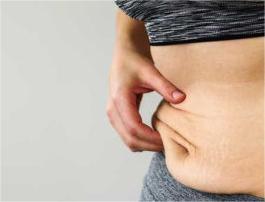
Loose skin occurs when the skin’s elasticity is no longer sufficient to shrink back to fit the body’s new, smaller frame.
Because of this, when the body gains weight, skin stretches to accommodate fat accumulation—over time, this can damage or break elastin fibers. During weight loss, especially rapid loss, the body cannot rebuild collagen or elastin fast enough to “tighten” the excess skin.
How Much Weight Loss Causes Loose Skin?
Actually, there is no universal standard, but loose skin becomes more likely with significant, rapid, or long-term weight loss.
| Weight Loss Scenario | Likelihood of Loose Skin | Common Affected Areas |
|---|---|---|
| <20 pounds lost (gradual, with exercise) | Low | Rare (may see mild tightness only) |
| 20–50 pounds lost (varies by speed/age) | Moderate | Abdomen, arms, thighs |
| >50 pounds lost (especially >100 pounds) | High | Multiple areas (abdomen, arms, thighs, breasts, neck) |
| Bariatric surgery (post-op weight loss) | Very High | Severe loose skin (often requires surgical interv |
How to Avoid Loose Skin When Losing Weight?
Prevention focuses on preserving skin elasticity and maintaining muscle mass. Follow the list below and start these strategies early in your weight loss journey.
Lose Weight Gradually
Stay Hydrated
How to Tighten Loosen Skin After Weight Loss?

Take Proper Vitamins
After weight loss, proper nutrition can significantly contribute to your skin’s ability to tighten and regain elasticity. Focusing on vitamins and hydration can help enhance collagen production.
- Vitamin C: A powerhouse for collagen synthesis, vitamin C is essential. It’s found in citrus fruits, strawberries, and bell peppers. Aim for a daily intake to support skin tightening.
- Vitamin E: This vitamin aids in protecting your skin from oxidative damage. Include nuts, seeds, and green leafy vegetables in your diet.
- Zinc: Necessary for collagen production and repair of skin tissues. Sources include oysters, lentils, and pumpkin seeds.
- Omega-3 Fatty Acids: These keep your skin cells healthy and may support skin elasticity. Include fish like salmon or, for a vegetarian source, flaxseeds.
- Lysine and Proline: Amino acids that are essential for collagen production. Good sources are dairy, eggs, and wheat germ.
Tighten Loose Skin With Exercise
Strength training exercises such as squats, deadlifts, and bench presses engage multiple muscle groups, increasing overall muscle mass. This not only shapes and tones your body but also helps reduce the appearance of loose skin.
Aim for at least two sessions per week, focusing on major muscle groups:
- Legs (squats, leg presses)
- Back (deadlifts, pull-ups)
- Chest (bench press, push-ups)
- Arms (bicep curls, tricep dips)
- Shoulders (shoulder press, lateral raises)
Incorporating Resistance Training
Except the normal body excercise, resistance trainig is also important for tighten the loose skin.
Resistance training is not just about lifting weights. Your resistance training should include using resistance bands, machines, or even your body weight to create resistance during exercise.
Exercises like planks, lunges, side planks, and leg lifts are particularly effective. Consistency in resistance training builds strength and muscle tone, which supports your skin more effectively and helps it retract after weight loss.
Most Effective Skin Tightening Procedure
There are specific treatments and procedures dedicated to tightening your skin, ranging from surgery to non-invasive options.
Surgical Options for Excess Skin
If you have a significant amount of excess skin, surgical procedures may be the most effective solution for you. These surgeries are performed by a plastic surgeon and can include a variety of body contouring surgeries:
- Tummy Tuck (Abdominoplasty): Aimed at removing loose skin and tightening the abdominal area.
- Body Contouring Surgery: This general term includes procedures such as the lower body lift, which targets the abdomen, buttocks, lower back, and thighs.
- Brachioplasty (Arm Lift): Specifically designed to remove excess skin from the upper arms.
- Thigh Lift: Focuses on the removal of excess skin from the thigh region.
These procedures, sometimes done following bariatric surgery, are often combined for an overall body contouring plan.
Non-Invasive Medical Treatments
For those who are not keen on undergoing surgery, there are non-invasive medical treatments available:
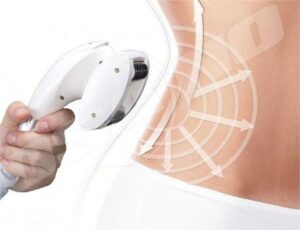
- Radiofrequency Treatment: This method uses energy waves to heat the dermis and encourage collagen production, which can result in skin tightening without surgery.
- Ultrasound Therapy: Similarly, this therapy uses sound waves to target skin at deeper levels, potentially improving skin elasticity and firmness.
- RF Microneedling: RF microneedling combines radiofrequency energy with tiny needles to heat the deeper skin layers, triggering collagen production.
While non-invasive treatments typically require multiple sessions and may offer more subtle results compared to surgery, they come with the convenience of no downtime and less risk.
Tighten Your Skin With Osano
Radiofrequency (RF) Therapy
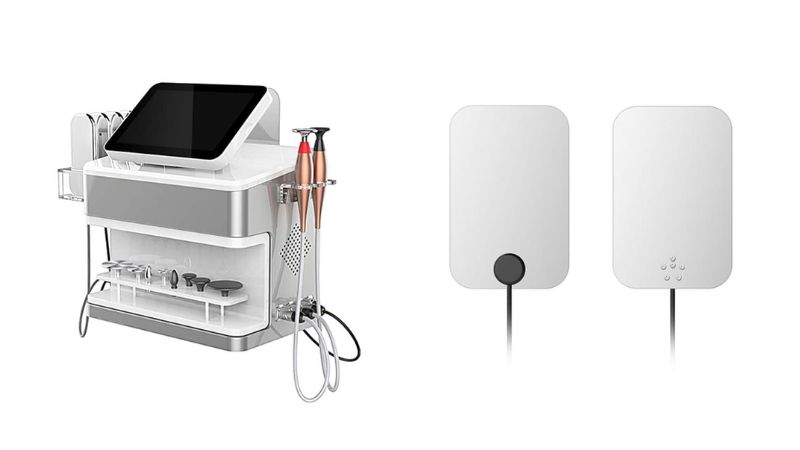
Osano RF devices deliver controlled, deep-heating energy to the dermis without damaging the outer epidermis.
This heat triggers the body’s natural wound-healing response, stimulating the production of collagen and elastin. Over time, new collagen tightens the skin from within.
Benefits
- Works on all skin tones and no risk of pigmentation issues.
- Minimal discomfort. It feels like a warm massage when you do this treatment.
- No downtime—you can return to daily activities immediately.
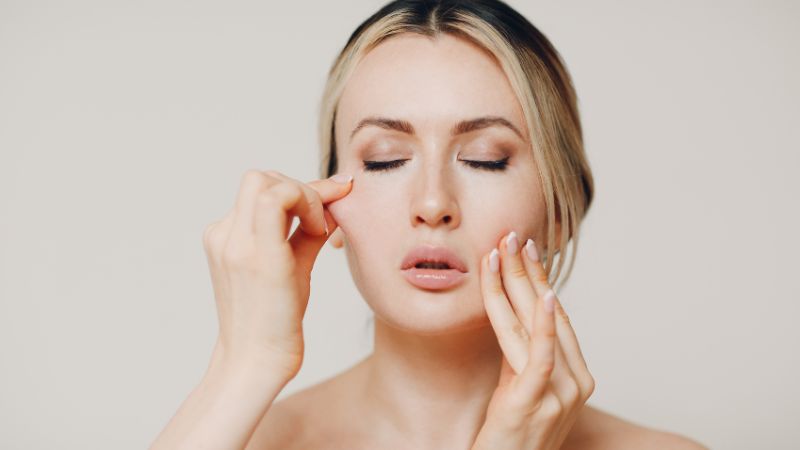
Candidacy: Best for mild to moderate laxity (e.g., loose skin on the abdomen after losing 20–30 pounds) or as a “preventive” treatment during weight loss. Not ideal for severe sagging.
What Skincare Helps Tighten Skin?
When selecting a firming cream, look for key ingredients known to aid in skin tightening. Here’s a quick guide:
- Retinol: A form of Vitamin A, retinol can increase collagen production, which may lead to firmer skin.
- Peptides: These are amino acids that help skin cells renew and repair themselves.
- Hydration: Creams that moisturize effectively can help your skin maintain elasticity.
Frequently Asked Questions
Can regular exercise contribute to skin tightening post-weight loss?
Yes, regular exercise, especially strength training, helps build muscle mass underneath the skin, which can make it appear tighter.
Are there any special considerations for tightening skin after the age of 50?
After the age of 50, skin tightening might require a more proactive approach, including a combination of lifestyle changes, skincare routines, and possibly medical treatments.
Is it possible to prevent loose skin while losing a significant amount of weight?
Preventing loose skin starts with losing weight at a slow and steady pace, allowing your skin time to adjust.
Keeping your body well-nourished and staying hydrated also plays a role in maintaining skin elasticity during the weight loss process.
What foods are beneficial for firming skin after weight reduction?
Foods that are high in protein, such as lean meats, legumes, and tofu can support muscle growth and skin elasticity.
Other beneficial foods include those rich in Omega-3 fatty acids, like salmon and flaxseeds, which may contribute to skin health.