Notice sagging skin on your face and neck but not ready for cosmetic surgery? Ultherapy is a alternative. This procedure has transformed how we address skin laxity, delivering natural-looking results without the risks, recovery time, or expense associated with a surgical facelift.
What is Ultherapy Treatment?
Ultherapy is a non-surgical skin lifting and tightening treatment that harnesses the power of focused ultrasound energy to rejuvenate your appearance from within. Unlike topical treatments that only affect the surface of the skin, this innovative procedure reaches deep within the skin to stimulate your body’s natural regeneration process.
The procedure works by triggering your body’s natural healing response, encouraging the production of new collagen over time for gradual, natural-looking improvement.
How Ultherapy Works?
The treatment uses precisely focused ultrasound energy to heat targeted tissue beneath the skin’s surface. Ultherapy deposits focused ultrasound energy at specific depths within the skin layers, typically reaching 1.5mm to 4.5mm below the surface.
This controlled heating creates microscopic areas of thermal coagulation, which triggers the body’s natural wound-healing process. As your body responds, it produces fresh, new collagen—the protein responsible for skin firmness and elasticity. Over the following months, this newly generated collagen helps lift and tighten loose skin, creating a more youthful contour.
What makes Ultherapy unique is its use of ultrasound imaging. Your practitioner can actually visualize the skin layers during treatment, ensuring ultrasound energy reaches the optimal depth for maximum effectiveness.
Ultherapy vs Other Skin Tightening Treatments
When comparing options to lift skin and address skin concerns, Ultherapy stands apart from other treatments in several important ways. Unlike radiofrequency and laser treatments that heat the skin from the outside in, ultrasound energy bypasses the surface of the skin entirely, delivering focused energy to deeper tissues—specifically the SMAS layer that surgeons target during a facelift.
Comparing Treatment Options
Surgical facelifts provide dramatic results but require anesthesia, incisions, and weeks of recovery. While effective, they come with significant risks and downtime that many people want to avoid.
Radiofrequency treatments offer a gentler approach but typically don’t penetrate as deeply as Ultherapy and may need multiple sessions to achieve noticeable results. Laser resurfacing primarily addresses surface texture and pigmentation rather than lifting deeper tissue layers.
Injectable fillers add volume temporarily but don’t actually tighten the skin or stimulate natural collagen production. They require ongoing maintenance every few months to sustain results.
Ultherapy’s ultrasound imaging technology also sets it apart, allowing practitioners to visualize beneath the surface and precisely target treatment areas. Most patients only need one treatment to achieve their desired results, making it both effective and convenient compared to alternatives requiring repeated sessions.
Benefits of Ultherapy Treatment
Ultherapy treatment offers numerous advantages for those seeking facial rejuvenation:
- Non-invasive procedure: No cutting, no anesthesia, no scarring
- Natural results: Ultherapy stimulates your own collagen production for authentic improvement
- Minimal downtime: Most people return to normal activities immediately
- Long-lasting effects: Results can last a year or more
What to Expect During Ultherapy Treatment?
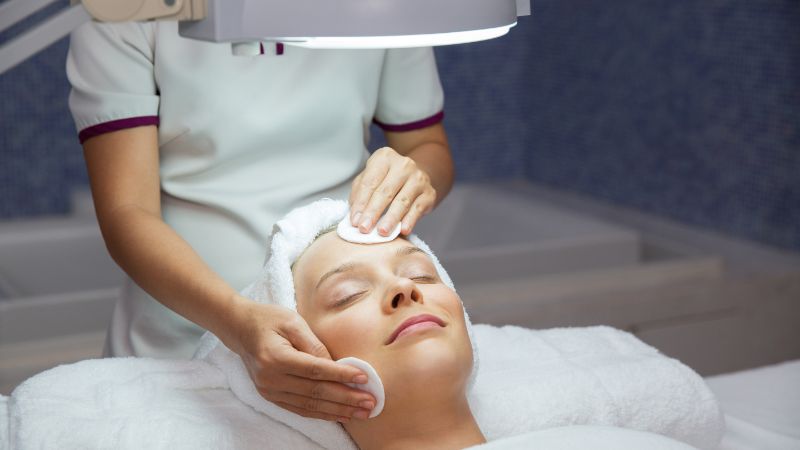
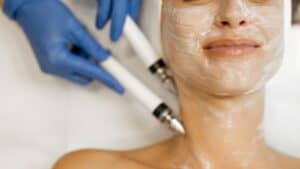
On treatment day, your provider will begin by applying ultrasound gel to the target areas. The Ultherapy device is then used to deliver precise ultrasound energy pulses, which stimulate collagen production. During the treatment, you may feel brief sensations of warmth or tingling—this indicates that the collagen-building process has commenced.
Treatment Areas and Duration:
Face
- Process: The device targets the brow area, cheeks, and jawline to lift and tighten the skin, reducing the appearance of jowls and restoring youthful contours.
- Duration: Typically takes 30 to 60 minutes depending on the specific areas being treated.
Neck
- Process: Focuses on smoothing lines and tightening loose skin, known as “turkey neck.”
- Duration: This treatment usually takes about 30 to 45 minutes.
Décolletage
- Process: Improves skin texture in the chest area by tightening skin affected by sun damage and aging.
- Duration: Treatment can last around 30 minutes.
The entire Ultherapy session might range from 30 to 90 minutes, depending on the combination of areas treated and your individual treatment plan. Most patients achieve their desired results with just one treatment, though some may benefit from follow-up sessions based on specific goals and skin laxity.
After the Treatment:
Immediately after the ultherapy procedure, you can resume normal activities. While some individuals may experience slight redness or swelling, these effects typically resolve within a few hours.
Whether you choose to treat one area or combine multiple treatments in a single session, Ultherapy offers a non-invasive solution to combat skin laxity and promote a more youthful appearance.
Who is a Good Candidate for Ultherapy?
The ideal candidate for Ultherapy typically has mild to moderate skin laxity and is looking for a non-invasive treatment alternative to a facelift. Ultherapy is a great option if you:
- Notice early signs of aging like drooping brows or softening jawline
- Have realistic expectations about gradual, natural improvement
- Want to avoid the risks and recovery associated with cosmetic surgery
- Are in generally good health
- Are not pregnant
While Ultherapy treats various concerns effectively, it may not be suitable for everyone. Those with very advanced sagging skin might achieve better results with surgical options. A qualified provider can determine whether you’re a good candidate for Ultherapy during your consultation.
Results Timeline and Longevity
One aspect that surprises many people is that Ultherapy results aren’t immediate. Since the treatment that uses ultrasound energy works by stimulating natural collagen production within the skin, improvement appears gradually.
Some people notice initial changes within weeks, but optimal results typically emerge two to three months after a single treatment as new collagen builds. Your skin continues to improve for up to six months following treatment.
Results generally last 12 to 18 months or longer. The longevity varies based on individual factors like age, skin condition, and lifestyle. While skin continues to age naturally, many people maintain their improvement for extended periods. Your provider can discuss a treatment plan for maintaining results over time.
Side Effects and Aftercare of Ultherapy
Ultherapy is well-tolerated with minimal side effects. Common temporary reactions include:
- Mild redness
- Slight swelling
- Tingling or tenderness
- Temporary numbness
These effects are typically mild and resolve within days. Rarely, skin may experience more noticeable swelling or bruising, particularly in sensitive areas.
Aftercare is simple. Most people need no special post-treatment care and can immediately apply makeup and return to regular activities. Protect treated areas with sunscreen, stay hydrated, and follow any specific guidance your provider offers.
Frequently Asked Questions
Can I combine Ultherapy with other aesthetic treatments?
Yes, Ultherapy pairs well with other treatments. Many patients combine it with Botox, dermal fillers, or laser treatments to address multiple aging concerns. Botox relaxes wrinkles while Ultherapy lifts deeper tissue. Your provider can recommend the best combination and timing for optimal results.
Can I exercise after Ultherapy?
You can resume light activities immediately, but it’s best to avoid strenuous exercise and heavy sweating for 24 hours after treatment. This helps minimize swelling and allows the treated areas to settle. After the first day, you can return to your normal workout routine without restrictions.
Is there a best season to get Ultherapy?
Ultherapy can be performed year-round since it doesn’t make your skin more sun-sensitive like some treatments. However, many people schedule it in fall or winter so results peak by spring and summer. Since results develop over months, plan accordingly if you have a special event in mind.