Looking for a way to turn back the clock without going under the knife? This guide covers everything you need to know about HIFU facial treatments—from how it works to what results you can expect.
What Is HIFU Facial?
A HIFU facial is a cutting-edge, non-surgical skin tightening treatment that harnesses focused ultrasound energy to lift and tighten your skin from deep within.
Unlike topical treatments that only work on the surface, this procedure targets the foundational layers beneath your skin to stimulate collagen production and address visible signs of aging without surgery.
The Science Behind HIFU
Energy Delivery and Thermal Activation
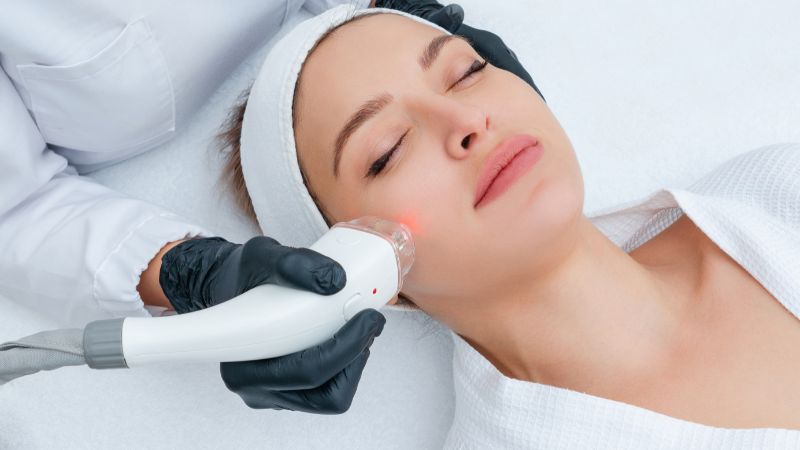
HIFU devices send focused ultrasound energy to specific depths in your skin, creating controlled thermal zones at approximately 60-70 degrees Celsius. This precise heating occurs at depths of 3.0-4.5mm below the surface—the same SMAS (superficial muscular aponeurotic system) layer that surgeons target during a traditional facelift.
Collagen Stimulation Process
The controlled thermal effect creates microscopic areas of tissue coagulation in the deeper layers of the skin. Your body recognizes this as a signal to begin its natural healing response, ramping up production of collagen and elastin — the proteins responsible for firm, youthful-looking skin.
Key advantages of this approach:
- Bypasses the skin’s surface entirely, leaving no visible wounds
- Targets precise depths with millimeter accuracy
- Triggers your body’s natural regenerative processes
- Requires zero recovery time compared to surgical alternatives
Unlike diagnostic ultrasound used in medical imaging, HIFU treatment uses high-energy ultrasound waves concentrated at very specific focal points to achieve lifting and tightening effects.
Benefits and Results of HIFU
Visible Improvements You Can Expect:
- Lifted contours – Elevated eyebrows, cheeks, and jawline definition
- Tightened skin – Firmer appearance on face and neck
- Reduced wrinkles – Smoother fine lines and deeper wrinkles
- Improved texture – More refined, youthful skin surface
- Defined jawline – Reduced jowls and better facial contours
Results Timeline
Unlike injectable treatments that show immediate changes, HIFU works with your body’s natural processes:
- Months 2-3: Gradual improvements become noticeable
- Months 3-6: Peak results as new collagen fully develops
- Duration: Results typically last 12-18 months with proper skincare
HIFU vs Other Facial Treatments
|
Treatment
|
Method
|
Results Timeline
|
Duration
|
Best For
|
|---|---|---|---|---|
|
HIFU
|
Ultrasound energy
|
2-3 months
|
12-18 months
|
Lifting & tightening
|
|
Botox
|
Muscle-relaxing injections
|
3-7 days
|
3-4 months
|
Dynamic wrinkles
|
|
Dermal Fillers
|
Volume-adding injections
|
Immediate
|
6-18 months
|
Volume loss
|
|
Laser Treatments
|
Light energy
|
1-3 months
|
6-12 months
|
Texture & pigmentation
|
Why HIFU Stands Out:
- Deeper penetration – Reaches foundational skin layers that lasers cannot access
- No foreign substances – Unlike fillers or Botox, nothing is injected into your skin
- Minimal downtime – Return to normal activities immediately after treatment
Many patients combine HIFU with other cosmetic treatments for comprehensive results.
The HIFU Facial Procedure
Before Your Treatment
Preparing for HIFU is straightforward:
- Arrive with clean skin
- Avoid blood-thinning medications if advised
- Discuss any skin conditions during consultation
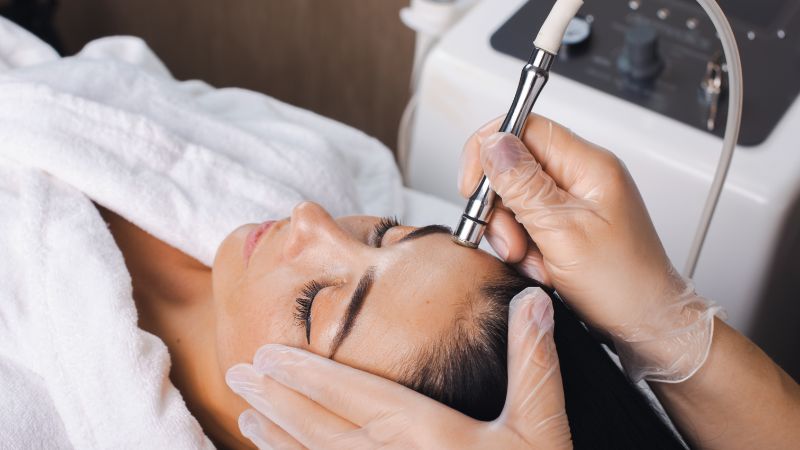
Your provider will cleanse your treatment areas and apply ultrasound gel. Some clinics offer topical numbing cream if you’re concerned about discomfort.
During the HIFU Session
Duration: 30-90 minutes depending on the number of areas treated
Common treatment zones
- Forehead and brow area
- Mid-face and cheeks
- Jawline and jowls
- Neck and décolletage
What you’ll feel
- Tingling or prickling feeling
- Brief warmth in treated areas
- Mild discomfort over bony areas (forehead, jawbone)
- No lingering pain between pulses
The focused ultrasound energy works beneath the surface to stimulate collagen at precise depths.
Immediately After Treatment
One of HIFU’s biggest advantages is minimal disruption to your daily life.
What you may experience:
- Slight redness (similar to mild sunburn)
- Temporary swelling or puffiness
- Tender or sensitive skin
- Mild numbness or tingling
These effects typically resolve within 24-48 hours.
Immediate aftercare tips:
- Skip makeup for 24 hours
- Apply SPF 30+ sunscreen daily
- Avoid hot environments (saunas, steam rooms) for 3-5 days
- Stay well-hydrated
- Postpone other facial treatments for 2-3 weeks
Who Is a Good Candidate for HIFU?
HIFU works best for people with mild to moderate skin laxity who want to tighten and lift their skin without surgery. Your age, skin type, and overall health all play a role in whether this treatment is right for you.
Ideal Skin Conditions for HIFU
You’re likely a strong candidate if you have:
Mild to moderate skin laxity – Your skin shows early signs of aging with noticeable looseness or sagging skin, but hasn’t progressed to severe conditions requiring surgical correction.
Specific concerns HIFU addresses:
- Loss of definition along the jawline
- Drooping cheeks or mid-face
- Nasolabial folds (smile lines)
- Loose skin under the chin
- Fine lines and moderate wrinkles
Your skin should retain reasonable elasticity to respond to collagen stimulation.
Age and Skin Types Best Suited
Optimal age range: HIFU typically produces the most impressive results for patients aged 30-60.
- 30s-40s: Proactive tightening to prevent further sagging
- 50s-60s: Address moderate laxity and restore youthful contours
All skin types welcome: Unlike laser treatments that can cause pigmentation issues in darker skin tones, high-intensity focused ultrasound is safe for all skin colors.
Contraindications and Who Should Avoid HIFU
While HIFU is safe for most people, certain conditions make you unsuitable for treatment:
Absolute contraindications:
- Pregnancy or breastfeeding
- Open wounds or active infections in treatment areas
- Skin cancer or precancerous lesions
- Metal implants or pacemakers near the facial area
- Severe or cystic acne with active inflammation
Conditions requiring caution:
- Recent facial surgery (wait at least 6 months)
- Current use of blood-thinning medications
- Bleeding disorders
- Extremely thin skin with severe photodamage
- Unrealistic expectations about dramatic transformation
Always disclose your complete medical history during your consultation. Your dermatology or cosmetic provider will assess whether HIFU treatment is appropriate for your situation.
Side Effects and Aftercare
HIFU treatment is generally safe, but you’ll likely experience some temporary reactions as your skin heals. Most side effects are mild and go away within a few days.
Common Side Effects
Most people experience only mild, temporary reactions:
Within 24-48 hours:
- Redness in treated areas (like mild sunburn)
- Slight swelling or puffiness
- Warmth or tenderness to touch
- Temporary numbness or tingling sensations
Less common effects:
- Minor bruising, especially in sensitive individuals (resolves in 1-2 weeks)
- Tight or pulled sensation in the face (indicates collagen activation)
- Temporary nerve sensitivity (typically resolves within 2-4 weeks)
These reactions are normal signs that the HIFU treatment is stimulating your body’s healing response. Serious complications are extremely rare when performed by qualified practitioners.
Post-Treatment Care for Optimal Results
Follow these guidelines to support your skin’s recovery and maximize collagen production:
Essential aftercare steps:
- Hydrate extensively – Drink 8-10 glasses of water daily to support healing
- Gentle skincare only – Use fragrance-free, non-irritating products for one week
- Sun protection is critical – Apply SPF 30+ daily, even indoors
- Avoid active ingredients – Skip retinol, vitamin C serums, and acids for 5-7 days
Activities to avoid for 1 week:
- Harsh exfoliation or scrubbing
- Alcohol consumption and smoking (impairs healing)
- Saunas, steam rooms, and hot tubs
- Intense exercise causing heavy sweating
- Facial massages or other aggressive treatments
Wait 24-48 hours before applying makeup. If your skin feels sensitive, use a room-temperature sheet mask for soothing relief (avoid ice packs, which may interfere with the thermal process).
Frequently Asked Questions
Does HIFU hurt?
Most patients describe HIFU as tolerable rather than painful. You’ll feel brief tingling, warmth, or prickling sensations during the treatment, with slightly more discomfort over bony areas like the forehead and jawbone. The sensation is temporary and stops immediately when the device moves to a different area. If you’re sensitive to discomfort, your provider can offer topical numbing cream before the procedure.
When will I see results?
You may notice some immediate subtle tightening, but HIFU works gradually with your body’s natural collagen production. Most patients begin seeing visible improvements around 2-3 months after treatment, with peak results appearing at 3-6 months. Your skin continues to improve during this time as new collagen and elastin fibers form and strengthen.
Can I return to normal activities right away?
Yes, HIFU requires virtually no downtime. You can return to work, social activities, and most daily routines immediately after your session. The only restrictions are avoiding intense heat (saunas, hot yoga) and strenuous exercise for a few days, along with skipping makeup for the first 24 hours to let your skin breathe.
Can I combine HIFU with other cosmetic treatments?
Absolutely. HIFU works exceptionally well as part of a comprehensive facial rejuvenation plan. Many patients combine it with Botox for dynamic wrinkles, dermal fillers for volume restoration, or laser treatments for skin texture and pigmentation. However, you should space these treatments appropriately—typically waiting 2-3 weeks after HIFU before adding other procedures to allow your skin to heal properly.