A vacuum butt lift machine can help a body-contouring clinic add a non-surgical service for cellulite appearance, skin texture and contour refinement. The term covers several technologies, so the best purchase starts with a clear service promise: vacuum RF roller systems work with superficial tissue and skin-quality protocols, while electromagnetic platforms focus on muscle stimulation. This guide explains how to evaluate the technology, select equipment and build a credible treatment menu.
What a Vacuum Butt Lift Machine Does
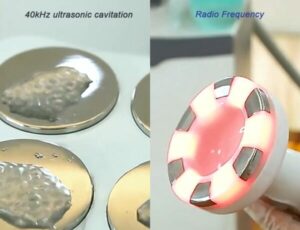
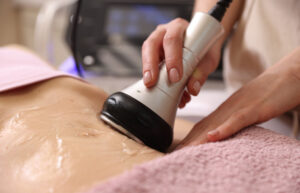
A professional vacuum RF roller platform uses controlled suction, mechanical massage and bipolar radio frequency. Some models also include infrared energy or interchangeable rollers. The applicator moves across the treatment zone while the operator controls vacuum level, RF output, timing and movement. This combination is commonly used for the visual appearance of cellulite, temporary circulation support, massage-based contour care and skin-firming programs.
A vacuum system does not create permanent volume in the way surgery, fat transfer or injectable augmentation can. Client communication should describe a non-invasive body-care service with variable results. Skin condition, body composition, lifestyle, treatment settings and consistency all influence the visible outcome. Repeated appointments may be appropriate, and progress should be reviewed against the client’s original goal rather than a fixed promise.
How Vacuum RF Roller Technology Works
The vacuum cup gently draws a fold of superficial tissue toward the applicator. Rollers then mobilize the tissue as the provider follows a planned path. Bipolar RF adds controlled thermal energy at the treatment surface and is typically selected for skin-quality and firming protocols. The operator can adjust intensity and speed according to the body area, tissue response and the manufacturer’s instructions.
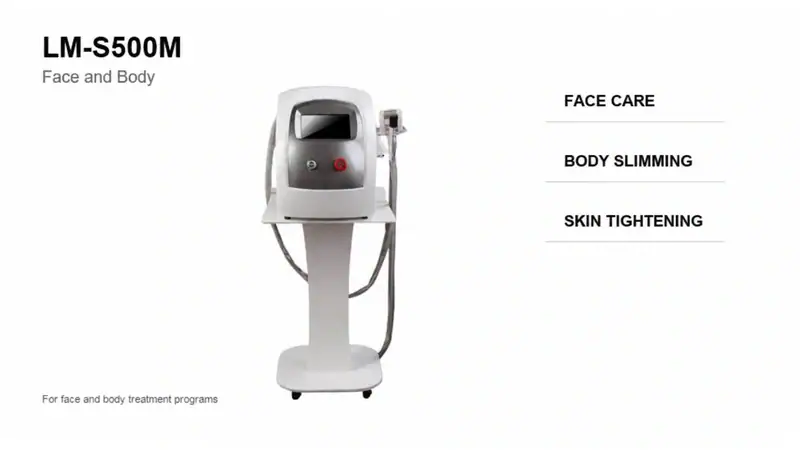
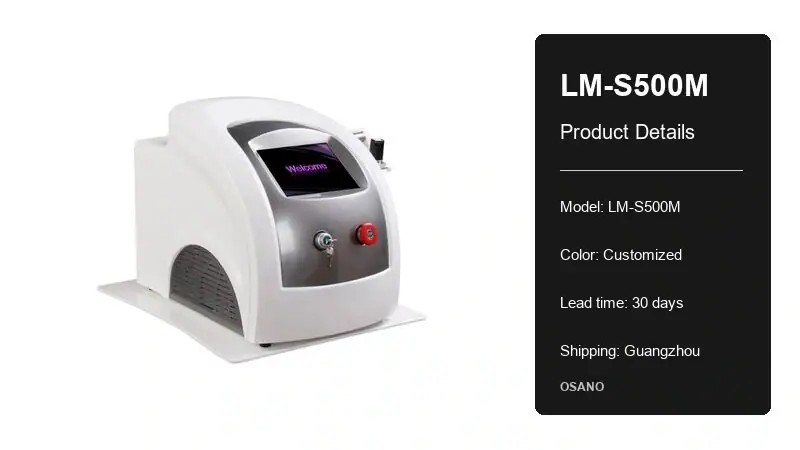
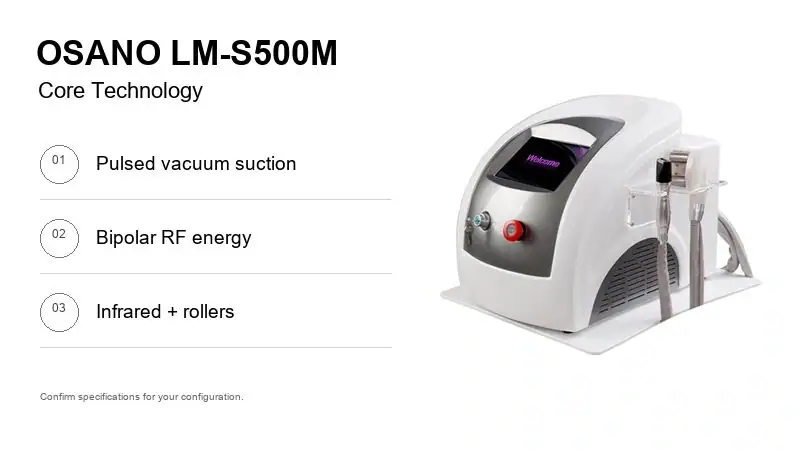
Coverage is a practical advantage. A roller handpiece can work methodically across the thighs, hips, abdomen or buttock area instead of treating a single small point. OSANO’s Best Vacuum Therapy Machine Professional for Face and Body combines pulsed vacuum, massage rollers, infrared and bipolar RF in a mobile console with a touchscreen. Clinics can use that type of platform to organize repeatable body-contouring protocols while keeping the equipment footprint manageable.
Vacuum RF vs Electromagnetic Butt Sculpting
Vacuum RF and high-intensity electromagnetic equipment should be presented as separate categories. Vacuum RF mainly supports the appearance of skin texture and contour through suction, massage and surface heating. It fits cellulite-focused programs, thigh-and-hip care, massage-based services and skin-firming routines.
Electromagnetic body-sculpting equipment creates repeated muscle contractions through electromagnetic energy. Its commercial story centers on muscle conditioning, glute engagement and body-sculpting sessions. It does not replace the vacuum, roller or RF functions. A clinic can offer both categories when it has the budget, room capacity and training to explain the difference. For a first body-contouring purchase, a vacuum RF system may provide broader service coverage; a muscle-focused clinic may prioritize electromagnetic equipment.
Which Clients and Areas Are Suitable?
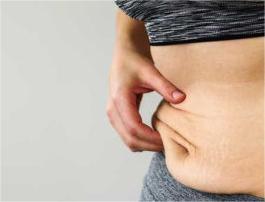
Suitable clients are adults seeking non-invasive care who understand the difference between contour refinement and surgical augmentation. Common consultation topics include the appearance of cellulite, mild skin laxity, uneven texture and a desire for a structured thigh-and-hip maintenance program. Providers should review goals, skin condition, medical history, implants, circulation concerns, recent procedures, pregnancy status, medications and the contraindications supplied by the manufacturer.
A professional workflow includes informed consent, treatment-area mapping, documented settings and standardized photographs where permitted. Use appropriate draping and protect privacy. Unexplained pain, active infection, major vascular concerns or a complex medical history require medical advice before treatment. Operators should also explain sensations, expected appointment length, aftercare and the possibility that a series of sessions will be recommended.
How to Choose the Right Machine
Start with the actual technology list. Confirm whether the system is vacuum-only, vacuum plus RF, vacuum plus rollers or a broader multi-function platform. Then request written specifications for vacuum-pressure range, RF frequency, output controls, roller movement, handpiece sizes, cooling features, screen controls and power requirements.
Service support affects the business case. Ask about operator training, warranty coverage, remote technical help, replacement hoses and handpieces, consumables, lead time and spare-part availability. Check that the console fits the planned room, that the trolley can be disinfected easily and that the treatment path allows the operator to move safely around the client. A polished user interface helps, yet reliable workflow and support matter more than a long feature list.
Pricing and Package Strategy
Vacuum butt-lift services are usually easier to explain as a planned series. An introductory appointment can establish suitability and demonstrate the workflow. Follow it with a multi-session thigh-and-hip or cellulite-maintenance package that includes assessment, customized mapping, progress photographs and scheduled reviews. This structure keeps the value in professional service and consistency rather than presenting the treatment as a one-time massage.
A premium menu can pair vacuum RF with other appropriate non-invasive services after the provider confirms compatibility and client suitability. Keep the language precise: describe the technologies used, the areas treated and the type of appearance goal supported. Avoid guaranteed measurements, permanent volume claims or brand terms that imply a different technology. Clear education improves trust and helps staff answer questions consistently.
Match the Technology to the Treatment Area
The LM-S500M is presented for both face and body applications, so the clinic should connect each handpiece and setting to a defined treatment area. Body programs may focus on the thighs, hips, abdomen or buttock area, while smaller accessories can support more localized work. A clear treatment map helps staff explain why a particular applicator is selected and keeps the service description connected to the equipment that is actually available.
The combination of pulsed vacuum, massage rollers, infrared and bipolar RF gives the platform a broader positioning than a vacuum-only device. Vacuum provides the suction element, rollers add mechanical tissue manipulation, and RF and infrared are described as energy components within the treatment system. Clinics should still confirm the exact configuration, output controls and included handpieces for the model they plan to purchase.
Explain Results with Accurate Expectations
A professional description should focus on the appearance goals that the technology is commonly associated with: cellulite reduction programs, skin tightening, body slimming, skin rejuvenation, improved circulation and muscle relaxation. These terms describe the service category; they do not promise the same result for every client. A consultation can clarify whether the client is primarily interested in skin texture, contour appearance, massage-based care or a different muscle-focused service.
The phrase “butt lift” is useful for search and service naming, yet it should be explained in context. Vacuum RF equipment is positioned around non-invasive contour refinement and skin-quality support. It does not represent surgical augmentation, fat transfer or injectable volume. This distinction helps a clinic attract suitable enquiries and prevents confusion when clients compare vacuum therapy with electromagnetic body-sculpting platforms.
Compare the Equipment Before Purchase
When comparing machines, review the technologies listed on the product page instead of relying on a generic “butt lift” label. Confirm whether the package includes pulsed vacuum, roller handpieces, infrared, bipolar RF and the touchscreen console shown for the LM-S500M. Also ask which accessories are supplied for face and body use, whether the color can be customized and how the requested configuration will be documented in the quotation.
A fair comparison also separates vacuum RF from electromagnetic equipment. Vacuum RF is associated with suction, massage, RF and skin-quality programs. Electromagnetic platforms are associated with repeated muscle contractions and glute engagement. Both may appear in a body-contouring category, yet their treatment stories and client selection criteria are different. Clear naming makes the clinic’s service menu easier to understand and keeps product claims aligned with the technology.
Build a Credible Non-Surgical Body-Contouring Service
A vacuum butt lift machine is a useful addition when its capabilities match the clinic’s promise. Vacuum RF roller equipment is best positioned for cellulite appearance, skin texture, massage-based contour refinement and repeatable body-care programs. Electromagnetic systems support a separate muscle-conditioning category. Compare documented specifications, operator workflow, client screening, training and after-sales service before you buy.
Contact Us to discuss a vacuum RF roller configuration for your clinic, treatment areas and service plan. Request a Quote for the OSANO LM-S500M or a tailored body-contouring equipment package.