Spider veins are tiny, visible blood vessels that often appear on the face, especially around the nose, cheeks, and chin. While they are usually harmless, many people seek treatments for cosmetic reasons. Understanding what causes facial spider veins and how to treat or prevent them can help you maintain clearer, healthier-looking skin.
What Are Spider Veins on the Face?
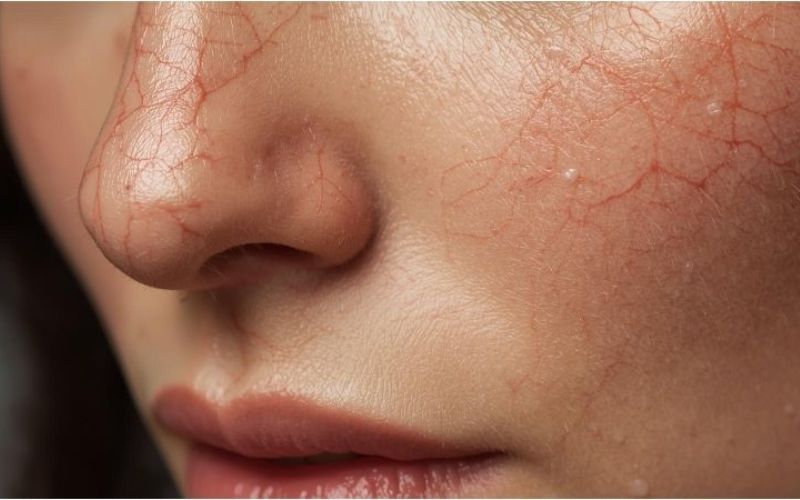
Spider veins on the face are small, damaged blood vessels visible just beneath the skin’s surface. These veins show up as red, blue, or purple lines or clusters, often resembling spider webs or branches.
The medical term for these is telangiectasia. You may also hear them called broken capillaries, thread veins, or facial veins. Unlike varicose veins, spider veins are much smaller and don’t bulge from the skin.
Common areas for facial spider veins:
- Cheeks
- Nose and around the nose
- Chin
Spider veins form when tiny capillaries expand and remain dilated, becoming visible as thin, web-like patterns. Most spider veins on the face are a cosmetic issue and do not cause pain or health problems, but their appearance can affect confidence.
They vary in size and color, depending on the depth and size of the affected blood vessel. Some people have just a few, while others notice larger clusters across their face.
What Causes Spider Veins on the Face?
Genetics and Family History
If your family members have spider veins, you are more likely to develop them. Genetics influence the strength and elasticity of your blood vessel walls and how easily your capillaries dilate. Thin skin and naturally weaker blood vessels also run in families.
Sun Exposure and Sun Damage
Sun exposure is a leading cause of facial spider veins. UV rays damage collagen and elastin, which support blood vessels. Over time, this makes veins more visible and skin thinner. The nose and cheeks are especially susceptible due to frequent sun exposure.
Signs of sun-damaged skin can include:
- Red or purple thread-like veins
- Uneven skin texture
- Dilated blood vessels
- Dark spots
- Premature wrinkles
Daily use of broad-spectrum sunscreen (SPF 30 or higher) and protective hats can help prevent further damage.
Rosacea and Other Skin Conditions
Rosacea is a common skin condition that causes redness and visible spider veins, particularly on the cheeks and nose. Other conditions like scleroderma, lupus, dermatomyositis, and liver disease may also cause facial veins to appear.
Hormonal Changes and Aging
Hormonal changes from pregnancy, menopause, or birth control can cause blood vessels to dilate, increasing the risk of developing unsightly spider veins. As you age, your skin thins and blood vessel walls weaken, increasing the visibility of veins. Women are more prone to facial spider veins due to hormonal fluctuations.
What are the Risk Factors for Spider Veins?
Several factors increase your risk for spider veins on the face:
- Age and gender: Women and older adults are more likely to develop facial spider veins.
- Family history: Family history of venous insufficiency can increase the likelihood of developing spider veins.
- Sun exposure: Chronic sun exposure damages blood vessels.
- Health conditions: Rosacea, liver disease, lupus, dermatomyositis, and scleroderma raise your risk.
- Hormonal changes: Pregnancy and certain medications (like corticosteroids) can trigger veins.
- Lifestyle factors: Excessive alcohol, injuries, or rapid pressure changes (e.g., air travel) can worsen veins.
- Environmental triggers: Extreme weather, chemical exposure, and triggers like caffeine or spicy foods can exacerbate the appearance of visible facial spider veins.
Treatments for Spider Veins on Your Face
Laser Therapy Options
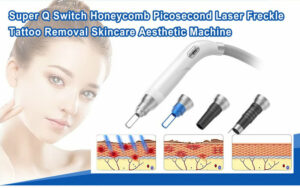
Laser treatment is one of the best treatment options as it targets and destroys the blood vessels causing spider veins. The Vbeam Prima Pulsed Dye Laser is a popular choice for vein treatment, delivering focused bursts of light absorbed by the blood vessel without harming surrounding skin. Most people need multiple sessions for best results.
The KTP laser is another option, often requiring only two sessions. For darker skin tones, the Nd:YAG laser is safest, as it reduces the risk of discoloration or scarring.
Intense Pulsed Light (IPL) for Facial Veins
IPL (photofacial) uses broad-spectrum light to seal off and dissolve blood vessels. It can treat spider veins, sun spots, and rosacea in one session. Each treatment takes about 20 minutes with minimal downtime. IPL is not recommended for darker skin tones due to the risk of hyperpigmentation—Nd:YAG laser is preferred in these cases.
Sclerotherapy and Other Medical Procedures
Sclerotherapy involves injecting a solution into the spider vein, causing it to collapse and fade. While effective for leg veins, it is less commonly used on the face due to the delicacy of facial veins.
Electrodessication uses a fine needle to apply heat to the blood vessel, but it has a higher risk of scarring or discoloration and is less precise than laser treatments.
Topical Treatments and Prescription Medications
Retinoids and retinol creams can help reduce the appearance of mild facial spider veins by promoting cell turnover and boosting collagen. These products are available over-the-counter and by prescription, but results may take several weeks to appear.
Prescription medications like Rhofade (oxymetazoline hydrochloride) can reduce redness and visible veins, especially for those with rosacea. Consult your dermatologist for the best option.
Home Remedies and Lifestyle Measures
At-Home Treatments and Natural Remedies
- Apple cider vinegar: dilute with water; apply to affected areas with a cotton pad for 20–30 minutes daily.
- Witch hazel: astringent that can tighten vessels; apply gently once or twice daily.
- Horse chestnut: contains aescin and may help vein walls; consult your doctor before using supplements.
- Aloe vera gel: apply overnight to soothe skin.
- Cold or warm compresses: can boost circulation and ease inflammation.
- Castor oil: massage gently into the area.
- Ginger tea: may help reduce inflammation when consumed regularly.
Consistency is key; these remedies may help over several weeks but results are often subtle.
Protecting Your Skin from Environmental Triggers
- Sun protection: use sunscreen daily (SPF 30+); reapply every two hours when outdoors.
- Avoid extreme heat: saunas, hot tubs, and very hot showers can dilate vessels.
- Headwear: wear a wide-brimmed hat for extra facial protection.
- Alcohol: limit intake, as it can weaken vein walls and expand vessels.
- Temperature changes: protect your face from cold and sudden temperature shifts.
Role of Diet, Exercise, and Skincare Habits
- Vitamin C–rich foods: citrus, leafy greens support collagen and vessel walls.
- Exercise: regular activity (walking, swimming, cycling) improves circulation without stressing facial veins.
- Skincare: gentle, fragrance-free cleansers/moisturizers; avoid harsh scrubs and vigorous rubbing.
- Lifestyle: maintain a healthy weight, stay hydrated, and consider elevating your head a bit while sleeping; take breaks when standing for long periods.
When to See a Dermatologist or Specialist
While most spider veins on the face are harmless and primarily cosmetic, consult a dermatologist if:
- The veins are bothersome or if you’re considering treatments like laser therapy or sclerotherapy.
- Spider veins appear suddenly or spread quickly.
- Accompanied by skin changes (e.g., darkening or rashes).
- Multiple veins are present in different body areas.
- There’s bleeding or pain.
Discover Osano: Your Partner in Beauty
Since 2006, Osano has led the aesthetic industry with innovative solutions for body contouring, fat reduction, and skin treatments. Our state-of-the-art technology, combined with rigorous quality control and competitive pricing, ensures you receive the best equipment. Join us in transforming the beauty landscape—contact us today!
Frequently Asked Questions
Can spider veins on my face go away on their own?
Spider veins typically do not disappear without treatment. While some may fade over time, most remain unless treated with medical procedures.
Are spider veins a sign of an underlying health problem?
Spider veins themselves are generally not a sign of an underlying health problem; they are primarily a cosmetic issue. However, if spider veins appear suddenly or are accompanied by symptoms like swelling, pain, or changes in skin color, it may indicate circulation issues or other health conditions, warranting a consultation with a healthcare professional.