Manual lymphatic drainage is physically demanding and can be difficult to perform consistently over a full schedule. Even highly trained therapists may experience fatigue over time, which can affect pressure consistency and limit the number of clients a facility can serve each day. For med spas, high-traffic salons, and specialized wellness studios, this labor dependency can create a real bottleneck in both treatment capacity and revenue.
A mechanical body roll machine helps reduce therapist workload, improves treatment consistency, and expands your facility’s operational efficiency. Whether you are upgrading an existing spa or launching a new beauty clinic, choosing the right equipment requires more than comparing appearance or price. You need to evaluate performance, durability, client experience, and regulatory compliance.
This guide outlines what to look for when selecting a roll shaper machine, how to compare different models, and how to assess the potential return on investment for your business.
The Working Principle: How a Body Roll Massage Machine Supports Results
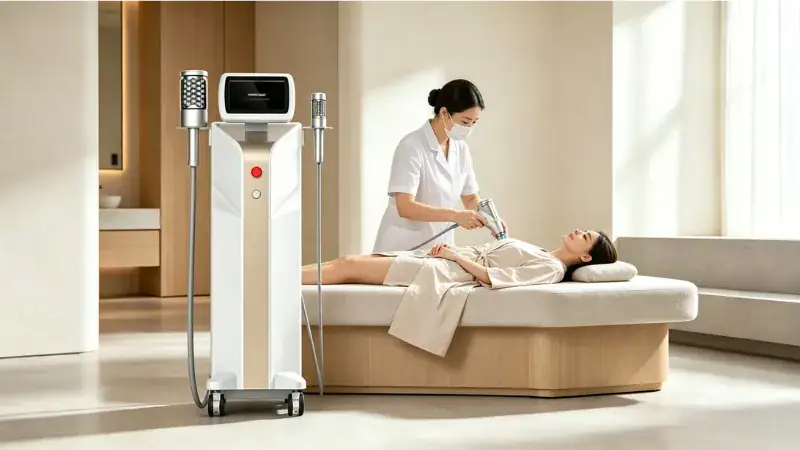
The value of a body roll massage machine lies in its ability to provide consistent, rhythmic mechanical stimulation across targeted areas of the body. Most systems use a rotating, ribbed wooden or composite drum that applies repeated pressure to muscle groups and fascia during guided treatment positions.
As the client moves through the session, this mechanical action supports circulation and may help encourage the movement of excess fluid through the body’s natural lymphatic pathways. For clients seeking non-invasive wellness and body-contouring support, this can contribute to a lighter feeling, temporary reduction in fluid retention, and a smoother overall appearance.
Many modern rolling massage machines also include infrared heat. This feature can enhance comfort during treatment and add a premium element to the client experience. Depending on the system, infrared may support several treatment goals:
- Improved circulation: Gentle heat can promote vasodilation and support local blood flow.
- Tissue preparation: Warm tissue may feel more pliable and comfortable during rolling.
- Appearance-focused treatments: Mechanical stimulation combined with heat may help improve the visible appearance of cellulite in some clients.
- Muscle relaxation: Fitness and recovery clients often value these systems for tension relief and post-workout comfort.
Results vary based on the client’s condition, treatment frequency, and overall wellness routine, but for many businesses, the appeal is clear: a treatment that combines recovery, relaxation, and body-contouring support in one service.
Comparing Equipment: Choosing the Right Device for Your Studio
When evaluating a roll shaper machine for sale, it is important to understand the difference between entry-level mechanical units and more advanced commercial systems. The right choice depends on your business model, client profile, and service positioning.
| Feature / Specification | Standard Barrel Roller Massage Machine | Advanced Infrared Body Roll Shaper |
|---|---|---|
| Primary Technology | Mechanical rotation only | Mechanical rotation with infrared heat |
| Treatment Focus | Basic muscle relaxation, surface-level stimulation, and general wellness use | Lymphatic support, body-contouring services, cellulite-focused treatments, and recovery support |
| Client Experience | Stimulating and functional | Warm, relaxing, and more premium-feeling |
| Session Customization | Basic speed and direction control | Variable speed, adjustable heat, and in some models pre-set treatment programs |
| Target Audience | Gyms, entry-level wellness centers, sports recovery spaces | Med spas, body shaping studios, aesthetic clinics, and higher-end salons |
| Operational Lifespan | Often built for lighter commercial use | Typically designed for heavier daily use with stronger motors and quieter operation |
If your goal is to offer a premium service menu rather than a basic add-on treatment, a more advanced body roller massage machine will usually provide better long-term value. It can also help position your business more effectively in a competitive market.
Factory Insights: What Determines Long-Term Durability
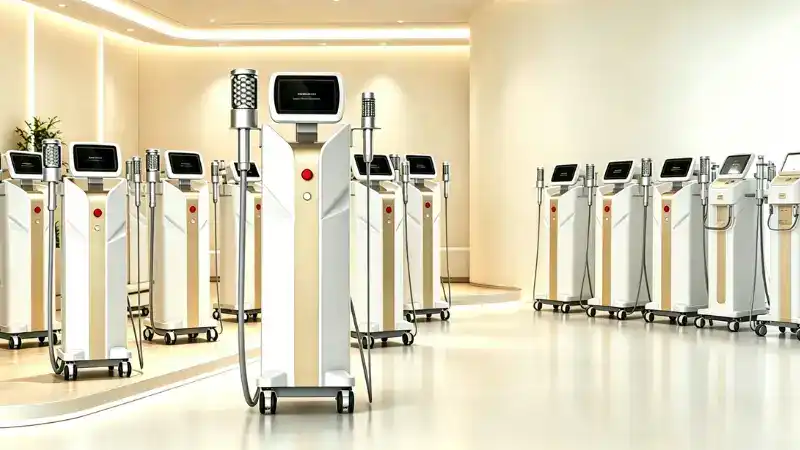
From an engineering standpoint, the long-term reliability of a lymphatic body roller machine depends on three main factors: the motor, the drivetrain, and the roller material.
Many buyers focus first on appearance, touchscreen design, or cabinet finish. Those details matter, but they do not determine whether the machine will hold up under real commercial use. In a busy spa or clinic, the system should be able to operate continuously across multiple sessions without overheating, stalling, or generating excessive noise.
A strong brushless motor is often a better choice for commercial environments because it supports high-torque, quiet operation and typically requires less maintenance over time. This becomes especially important when clients apply varying levels of body weight and pressure during treatment.
Roller construction is equally important. Dense, non-porous materials such as treated solid wood or durable hygienic composites are generally better suited for repeated use and frequent sanitization. A well-designed machine should also include practical safety features such as:
- Emergency stop access
- Stable frame construction
- Pinch-point protection
- Easy-to-clean contact surfaces
For spa owners, these details directly affect uptime, maintenance costs, and client confidence.
Roll Shaper Machine Price and ROI Analysis
The roll shaper machine price varies according to build quality, motor strength, heating technology, software controls, and after-sales support. In most cases, the market can be divided into three broad tiers:
- Entry-Level Units (USD 1,500 – USD 2,500): Basic mechanical systems for lower-volume environments. These may be suitable for budget-conscious buyers, but they often offer limited support, simpler controls, and lighter-duty internal components.
- Professional / Commercial Grade (USD 3,000 – USD 5,500): This is often the most practical range for salons, wellness studios, and med spas. Machines in this tier typically offer stronger motors, infrared heat, better construction quality, and more reliable long-term performance.
- Premium Multimodal Systems (USD 6,000+): These models may combine rolling massage with additional technologies such as vacuum or radiofrequency, depending on the manufacturer and intended use.
A Practical ROI Example
Assume you purchase a commercial-grade lymphatic massage roller machine for USD 4,500.
- Average session price: USD 45
- Daily volume: 5 clients
- Daily gross revenue: USD 225
- Monthly gross revenue (22 working days): USD 4,950
In a simplified revenue model, the machine could pay for itself quickly. Actual payback time will depend on utilization, package pricing, occupancy, labor structure, and operating costs, but for many studios, this category of equipment can become profitable within a relatively short period.
Another business advantage is operational flexibility. Once the client is properly positioned and the session is underway, staff may be able to manage other services nearby, depending on the layout of the facility and the treatment protocol. This can improve room efficiency and support stronger revenue per treatment area.
Compliance and Standards: Protecting Your Business and Your Clients
If you are sourcing equipment internationally, compliance is not optional. Buying from unverified suppliers may expose your business to customs delays, documentation issues, product liability concerns, and after-sales service problems.
When evaluating a supplier, ask for clear documentation and verify that the paperwork matches the actual manufacturer. Depending on the target market, relevant standards may include:
- CE Mark: Indicates conformity with applicable European safety and regulatory requirements.
- FDA-related requirements: For the United States, confirm whether the product requires clearance, fits within a wellness category, or is subject to other specific regulatory obligations.
- ISO 13485: A strong indicator of structured quality management in medical-device-related manufacturing environments.
- IEC 60601-1: Often relevant for electrical safety, depending on the product category and market requirements.
It is also important to avoid “white-label” trading companies that cannot provide manufacturer-matched test reports, serial traceability, or dependable technical support. A credible factory partner should be able to provide documentation, training materials, maintenance guidance, and spare-parts support.
How to Choose the Best Roll Shaper for Your Spa
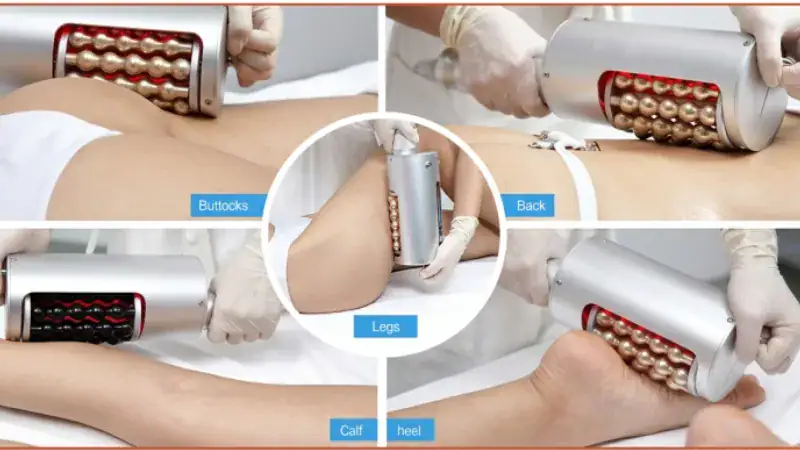
If you are comparing multiple machines, focus on the factors that affect both client satisfaction and business performance.
1. Define your treatment positioning
Are you offering a basic wellness add-on, or are you building a premium body-contouring and recovery service? Your answer will shape the level of machine you actually need.
2. Check motor quality and noise level
A commercial machine should be quiet, stable, and strong enough for repeated daily use. Motor performance is one of the clearest indicators of long-term value.
3. Evaluate material quality and hygiene
Choose rollers and contact surfaces that can withstand frequent cleaning without cracking, splintering, or degrading.
4. Confirm compliance and documentation
Do not rely on marketing claims alone. Ask for certifications, testing reports, and manufacturer details before making a purchase decision.
5. Assess training and after-sales support
A lower machine price does not always mean lower total cost. Delayed spare parts, unclear setup instructions, or poor technical support can quickly become expensive.
6. Review ROI based on your real business model
Estimate demand based on your actual pricing, occupancy, staffing, and target market. The right machine should fit your workflow, not just your budget.
Conclusion: A Smarter Investment for Growth-Oriented Studios
A well-built body roll machine can do more than add another treatment to your menu. It can help reduce therapist fatigue, improve service consistency, enhance the client experience, and create a scalable revenue opportunity for your spa or wellness business.
The best choice is not simply the cheapest machine or the one with the most aggressive marketing. It is the model that combines reliable engineering, appropriate features, regulatory credibility, and strong long-term support.
If you are investing in equipment to grow your treatment capacity and strengthen your brand positioning, choosing the right roll shaper from the start can save time, reduce risk, and improve profitability.
Ready to Expand Your Service Menu?
If you are planning to add body contouring, lymphatic wellness, or recovery-focused treatments to your studio, the next step is to compare real machine specifications, support terms, and pricing structures.
Contact OSANO for a factory-direct quotation, product details, training support, and guidance on selecting the right configuration for your business.
Frequently Asked Questions
How long does a typical body roll machine treatment take?
Most sessions last between 30 and 45 minutes. Many systems guide the client through multiple positions, with a few minutes spent on each target area.
Can a lymphatic body roller machine be used after surgery?
Post-operative clients should only use this type of equipment with approval from their surgeon or licensed clinician. In the early recovery phase, treatment protocols should always follow professional medical guidance.
What maintenance does a commercial roll shaper require?
Routine care usually includes daily sanitization of the rollers and regular inspection of moving parts. Belts, motor ventilation areas, and electrical components should be checked according to the manufacturer’s maintenance schedule.
Does infrared heat make a noticeable difference?
For many clients, yes. Infrared heat can make treatment feel more comfortable and may help support circulation and tissue relaxation during the session.
How much space does the machine require?
A standard commercial unit typically requires around 2 square meters of floor space, plus enough clearance for safe movement around the machine.
Is factory-direct purchasing better than buying from a reseller?
It can be, especially if the manufacturer provides direct technical support, spare parts, documentation, and training. The total value depends on shipping, service responsiveness, warranty terms, and product reliability.