A modern cryotherapy machine is no longer limited to elite sports centers. In 2026, more med spas, rehabilitation clinics, salons, and wellness operators are adding cryo treatments because they want cleaner workflow, shorter treatment time, and more controlled cold therapy than ice packs, ice baths, or older nitrogen-based systems can provide. For many buyers, the real question is which cryotherapy machine best fits their service menu, clinical workflow, and expected daily treatment volume.
Before comparing any cryotherapy machines, one distinction must be clear: cryotherapy is not the same as cryolipolysis. Buyers often search both together, but they serve different treatment goals. Cryolipolysis is designed for prolonged cooling of fat tissue. A localized cryotherapy machine, by contrast, is typically used for short, targeted cooling in sports recovery, skin-focused wellness treatments, and body-support programs.
That distinction affects everything else, including the type of cryotherapy device you should buy, how the treatment is positioned, how long a cryo session lasts, and which compliance documents may be relevant. If you are comparing a portable cryotherapy machine, a handheld cryotherapy device, or a professional electric cryotherapy machine, intended use comes first.
Cryotherapy vs. Cryolipolysis: What Buyers Should Understand First
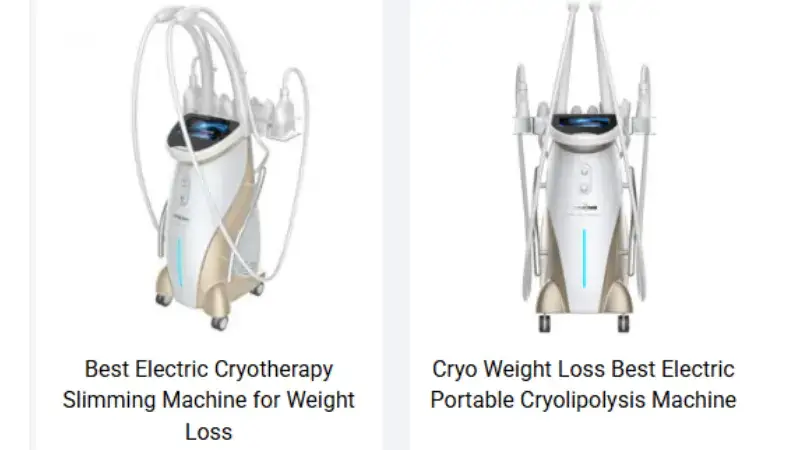
In practice, buyers should also ask how the system displays temperature settings in °C and how consistently those settings are maintained during treatment. In most cases, the treatment lasts only a few minutes per area. This makes a cryotherapy treatment very different from a prolonged fat-freezing procedure.
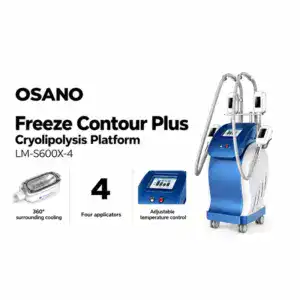
Cryolipolysis is designed for longer cooling of adipose tissue with dedicated applicators and a different treatment endpoint. It is not just another name for cryo. This matters because some buyers searching for a cryotherapy slimming machine are actually comparing different product categories without realizing it. A supplier should clearly explain whether the product is a localized cryotherapy machine intended for wellness and recovery use or a fat-focused platform built around a different treatment logic.
|
Feature
|
Cryotherapy Machine
|
Cryolipolysis Machine
|
|---|---|---|
|
Primary purpose
|
Localized cold therapy for recovery, wellness, and skin-focused support
|
Targeted fat reduction through prolonged cooling
|
|
Typical treatment time
|
Short cryo session, usually a few minutes per area
|
Often 30–60 minutes per area
|
|
Treatment target
|
Skin surface, soft tissue, muscles, joints
|
Subcutaneous fat tissue
|
|
Common uses
|
Sports recovery, temporary pain-relief support, skin-refreshing treatments
|
Body contouring and fat-freezing programs
|
|
Equipment format
|
Handheld cryotherapy device or localized cryotherapy machine
|
Applicator-based platform
|
|
Buyer caution
|
Should not be marketed as fat freezing
|
Should not be confused with general cryotherapy
|
For B2B buyers, the practical distinction is straightforward. If the goal is short treatment time, flexible treatment areas, and clinic-friendly cold therapy, you are likely looking for a cryotherapy machine. If the goal is prolonged fat cooling, you are evaluating a different equipment category.
What a Localized Cryotherapy Machine Is Used For
A good localized cryotherapy machine is valuable because its versatility allows clinics to support more than one treatment scenario. That is one reason many clinics achieve better equipment utilization with cryo systems than with single-purpose platforms.
Sports Recovery and Inflammation Support
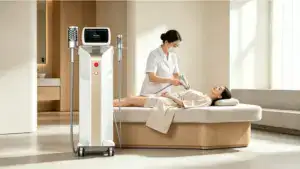
In physiotherapy, rehabilitation, and athletic recovery settings, a localized cryotherapy machine is commonly used for shoulders, knees, calves, ankles, and lower back treatment areas. Compared with an ice pack, a machine-based system can provide more consistent temperature delivery, cleaner workflow, and easier operator control.
For busy clinics, a short cryo session is easier to schedule and easier to repeat. This is one reason buyers searching for the best cryotherapy options often move from improvised cold methods to dedicated cryotherapy machines.
Skin-Tightening Support and Aesthetic Wellness
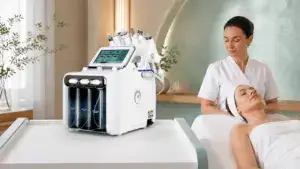
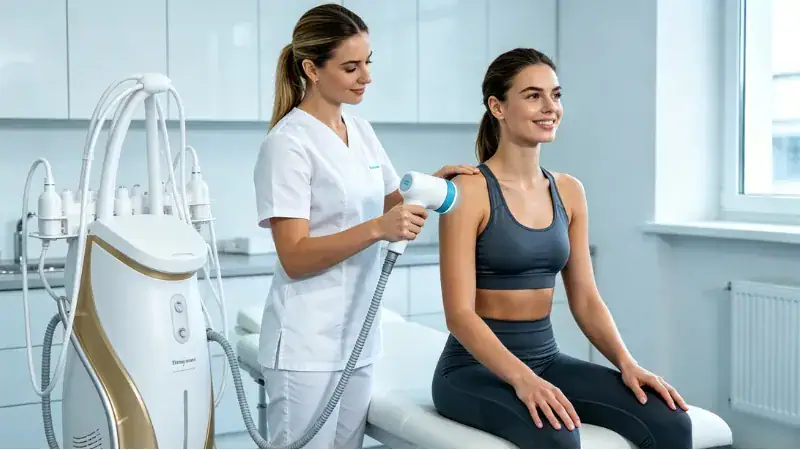
In med spas and salons, a cryotherapy device may be used in skin-refreshing or temporary skin-tightening support protocols. A compact handheld cryotherapy device can work well in smaller treatment rooms, while a larger electric cryotherapy machine may be a better fit for a clinic offering several cryo treatments per day.
Body-Treatment Support
A cryotherapy slimming machine may also be included in broader body-treatment or wellness packages. The wording should stay accurate. A cryotherapy treatment can support a body-focused service menu, but it should not be described as cryolipolysis if it is actually a localized cryotherapy machine.
Portable Cryotherapy Machine vs. Professional Electric Cryotherapy Machine
Once the treatment goal is defined, the next question is operational: should you buy a portable cryotherapy machine or a professional electric cryotherapy machine?
A portable cryotherapy machine is often a practical choice for smaller clinics, startup operators, mobile therapists, and businesses testing local demand. In some cases, a buyer searching for a home cryotherapy machine is really looking for this category: compact, easier to place, and suitable for lighter treatment frequency. It can be a sensible entry point when flexibility matters more than throughput.
A professional electric cryotherapy machine, by contrast, is designed for repeated daily use, stronger duty cycle requirements, and more stable output across back-to-back sessions. If cryo will be a real revenue service, professional cryotherapy machines usually make more sense over time.
|
Comparison Point
|
Portable Cryotherapy Machine
|
Professional Electric Cryotherapy Machine
|
|---|---|---|
|
Best for
|
Small clinics, mobile therapists, startups
|
Med spas, rehab clinics, higher-volume use
|
|
Equipment size
|
Compact and easy to move
|
Larger and more stable
|
|
Output stability
|
Suitable for lighter schedules
|
Better for repeated daily cryo sessions
|
|
Continuous working hours
|
Usually lower
|
Usually stronger duty cycle
|
|
Cooling architecture
|
Lighter internal system
|
More robust compressor and thermal management
|
|
Upfront investment
|
Lower
|
Higher
|
|
Treatment throughput
|
Better for occasional use
|
Better for back-to-back appointments
|
When evaluating an electric cryotherapy machine for sale, experienced buyers should look beyond the outer shell. The key points are compressor stability, airflow consistency, temperature control, internal design, maintenance access, and continuous working performance. Those factors affect service life and long-term ROI more than screen styling does.
This is also where some buyers compare localized systems with whole-body cryotherapy or a cryo chamber. Those are related but different categories. For many clinics, a localized cryotherapy machine is the more practical starting point because the equipment footprint, room requirements, and workflow are easier to manage.
Compliance, Safety, and Standards for Cryotherapy Machines
For commercial cryotherapy machines, compliance and documentation should come before price. A low quote does not help if the paperwork is weak or the product positioning is unclear.
For the EU market, buyers should confirm whether the product is CE marked under the applicable framework and whether EU MDR applies to the intended use and claims. For the U.S. market, buyers should verify the appropriate registration, listing, or clearance pathway instead of relying on vague “FDA” language.
Operational safety is also a hardware issue. Buyers should ask about nozzle monitoring, sensor calibration, grounding, emergency stop logic, housing ventilation, and operator alerts. These details affect real treatment reliability.
|
Item
|
What Buyers Should Check
|
Why It Matters
|
|---|---|---|
|
CE / MDR applicability
|
Whether the product is CE marked and whether MDR applies
|
Important for EU market entry
|
|
FDA-related status
|
Applicable registration, listing, or clearance
|
Reduces U.S. regulatory misunderstanding
|
|
ISO 13485
|
Quality management system for medical-device-related production
|
Indicates manufacturing consistency
|
|
IEC 60601-1
|
Electrical safety and essential performance where applicable
|
Important for equipment safety review
|
|
RoHS
|
Material and environmental compliance status
|
Useful for export documentation
|
|
Safety design
|
Temperature monitoring, emergency stop, ventilation, grounding
|
Affects daily operation and reliability
|
An iceless cold therapy machine can simplify operation by avoiding on-site liquid nitrogen handling. Even so, proper installation, operator training, airflow management, and routine maintenance still matter.
Home Cryotherapy Machine Cost, Pricing, and ROI
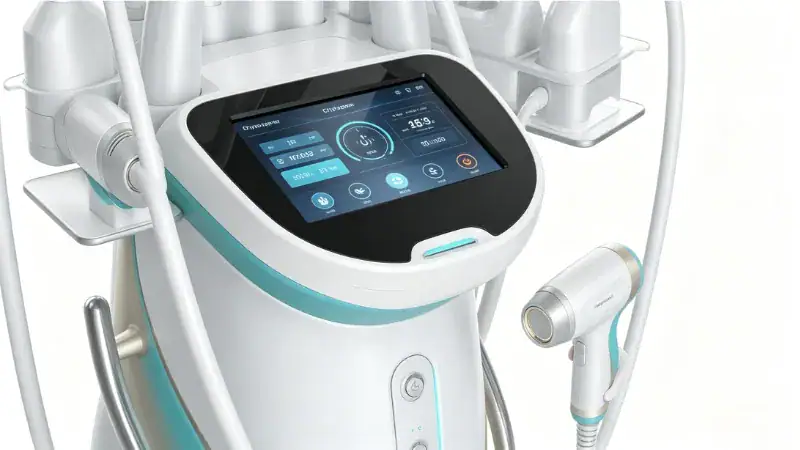
Home cryotherapy machine cost is usually lower than the price of a professional clinic system because the platform is smaller, the internal cooling structure is lighter, and the expected workload is lower. A professional electric cryotherapy machine for sale generally costs more because it is built for longer operating time, stronger compressor performance, and heavier clinic use.
Price is often shaped by compressor quality, sensor accuracy, duty cycle, treatment interface, internal layout, certification package, warranty terms, and after-sales support. When comparing a home cryotherapy machine with a commercial platform, buyers should look at total business fit rather than headline price alone.
ROI should also be modeled conservatively. A clinic may see a relatively short payback period if booking volume is stable, treatment pricing is appropriate, and staff can integrate cryo into a broader wellness menu. But results depend on occupancy, competition, local demand, and repeat business. The right question is not only “What is the lowest quote?” but “Which cryotherapy machine fits my workflow without creating bottlenecks later?”
Looking for a Right Cryo Device?
Choosing the right cryotherapy machine means balancing treatment goals, workflow, safety, compliance, and long-term operating cost. If you are comparing a portable cryotherapy machine, a localized cryotherapy machine, a handheld cryotherapy device, or a professional electric cryotherapy machine for sale, OSANO can provide factory-direct quotation support, product configuration guidance, and training information for distributors, clinics, and wellness equipment buyers.