What is Ultrasonic Cavitation?
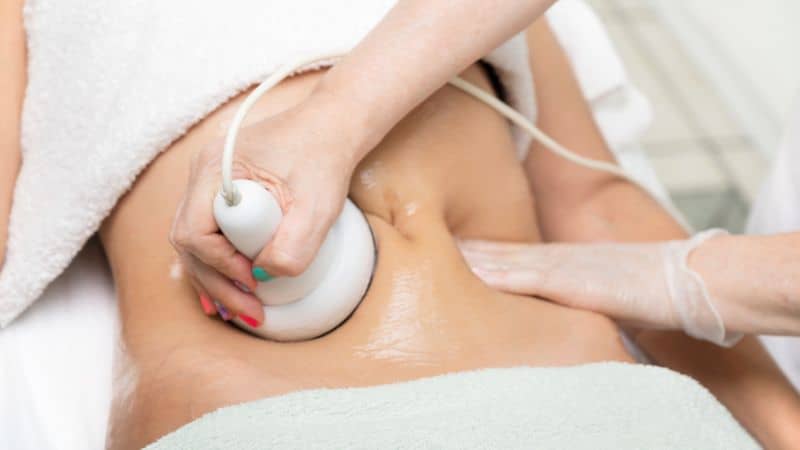
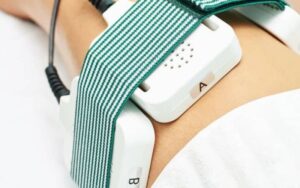
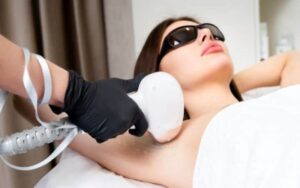
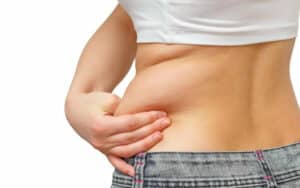
Ultrasonic cavitation is a cosmetic treatment that uses low-intensity ultrasonic waves to break down fat cells. A cavitation machine emits these sound waves through your skin. It is not a surgical procedure. No needles or incisions are involved. The process aims to reshape and contour your body by reducing body fat deposits.
Principles of Ultrasonic Cavitation
Ultrasonic cavitation involves the application of low-frequency ultrasound waves to targeted areas of the body. These sound waves create microscopic bubbles within the fat tissue, a phenomenon known as cavitation. The bubbles expand and contract rapidly, causing mechanical vibrations that disrupt the fat cells’ structure. This process leads to the rupture of the fat cell membranes, releasing their contents into the surrounding tissue.
Once the fat cells are broken down, their contents, primarily triglycerides, are metabolized and eliminated from the body through the lymphatic system and liver. The body naturally processes these liquefied fats, gradually reducing fat deposits in the treated areas.
Potential Risks of Ultrasonic Cavitation
Potential Risks (Usually Mild & Temporary):
- Slight Swelling: In the treated area.
- Skin Redness: Due to localized heating.
- Discomfort/Sensitivity: Mild soreness or tenderness.
- Skin Sensitivity: Temporary heightened sensitivity.
- Mild Headaches: Less common, cause unclear.
- Nausea/Feeling Unwell: Less common, possibly related to fat processing.
- Increased Urination: A positive sign of fat elimination.
Managing Side Effects:
- Cold Compresses/Gels: For swelling & redness.
- OTC Pain Relievers: For discomfort or headaches (consult professional).
- Hydration: Essential (water for headaches, nausea, urination).
- Gentle Moisturizers: For skin sensitivity.
- Rest: If feeling unwell.
- Consult Professional: If symptoms persist or worsen.
Can Ultrasonic Cavitation Cause Cancer?
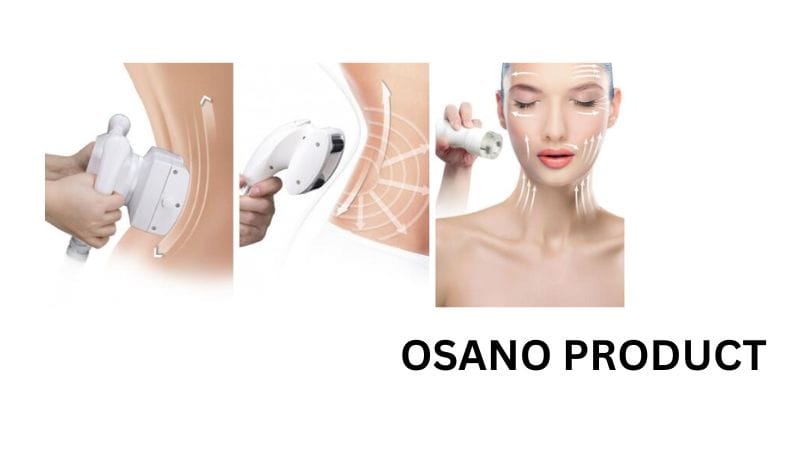
The opinion that ultrasonic cavitation can cause cancer has gained traction in recent years, but scientific evidence does not support this claim.
While the procedure involves the destruction of fat cells and the release of their contents, there is no scientifically proven link between these processes and cancer development.
Here are the reasons why it will not cause cancer:
- Non-Ionizing Nature: Ultrasonic cavitation uses non-ionizing ultrasound waves, which do not have enough energy to cause changes in the DNA of cells. Ionizing radiation, such as X-rays and gamma rays, is known to increase cancer risk, but non-ionizing radiation does not have this capability.
- Localized and Surface-Level Treatment: The procedure is designed to target fat cells at a superficial level, without affecting deeper tissues or organs. This localized approach minimizes any potential risk of affecting other body systems.
Who is Not Recomend For Ultrasonic Cavitation?
| Who Should Avoid Ultrasonic Cavitation | Reason |
|---|---|
| Pregnant and Breastfeeding Women | Potential risks to the fetus or infant |
| Autoimmune Diseases | Increased risk of adverse effects |
| Blood Disorders | Increased bleeding risks |
| Cancer | Potential interference with treatment or risk |
| Heart Disease | Risk of interference with electronic implants |
| Uncontrolled Diabetes | Additional risks during treatment |
| Active Infections or Inflammation | Risk of exacerbating conditions |
| Severe High Blood Pressure | Potential health risks |
| Metal Implants in Treatment Area | Risk of interference with implants |
| Skin Conditions (e.g., dermatitis, wounds) | Risk of exacerbating conditions |
| Recent Surgery or Fresh Scars | Need for full healing before treatment |
| Children (under 18 years) | Not suitable for minors |
What Parts Can I Use For Ultrasonic Cavitation?
- Abdomen: This is one of the most common areas for treatment, as many people seek to reduce belly fat.
- Flanks (Love Handles): The sides of the waist, often referred to as love handles, can be effectively targeted.
- Thighs: Both inner and outer thighs can be treated to reduce fat and improve contour.
- Hips: This area is often treated to enhance body shape and reduce excess fat.
- Upper Arms: Fat deposits in the upper arms, sometimes referred to as “bat wings,” can be addressed.
- Buttocks: Although less common, the buttocks can also be treated for fat reduction.
Ultrasonic Cavitation Machine From Osano
Non-Invasive Body Contouring Treatment For You
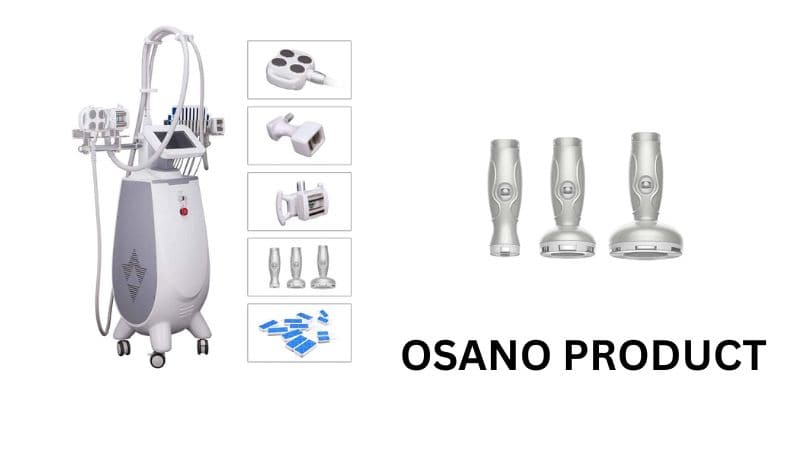
Experience the future of non-invasive fat reduction and skin tightening with the Osano Ultrasonic Cavitation Machine.
This powerful device is designed to help you reach your body goals by safely and effectively targeting unwanted fat and improving skin texture, all without surgery.
At the heart of its treatment experience is ultrasonic cavitation. This technology precisely uses ultrasound energy to break down fat cells beneath the skin.
Achieving optimal results starts with a thorough consultation. Understanding your medical history and current health is paramount, as certain health conditions may influence treatment suitability. This assessment allows practitioners to tailor the body contouring process to your unique needs and establish realistic expectations.
Osano Ultrasonic Cavitation prioritizes your safety. Its advanced features, including automatic frequency tracking, ensure precise energy delivery and incorporate essential safety measures throughout your session. A significant benefit of this non-invasive approach is minimal downtime – expect virtually no recovery time, allowing you to resume daily activities immediately after undergoing ultrasonic cavitation.
Frequently Asked Questions
What are the Differences between Ultrasonic Cavitation and Radiation Therapy?
Ultrasonic cavitation uses sound waves to break down fat cells, while radiation therapy uses high-energy particles or waves to destroy cancer cells.
Is there a risk of developing blood clots from ultrasonic cavitation treatments?
While unlikely, blood clots can occur if the treatment affects blood vessels. However, there’s no strong evidence linking ultrasonic cavitation to a significant increase in blood clot risks. Always discuss with your doctor if you have a history of clotting disorders.
What are the potential side effects of ultrasonic cavitation in the long term?
Long-term side effects may include slight skin irregularities, minor discomfort, or changes in skin texture.
Could ultrasonic cavitation treatments impact fertility?
There is no evidence to suggest that ultrasonic cavitation treatments impact fertility.
Are there any known organ damages associated with ultrasonic cavitation?
Organ damage is not commonly associated with ultrasonic cavitation. The treatment focuses on fat cells beneath the skin and should not reach or harm internal organs.
What’s the reason ultrasound cavitation is restricted in some countries?
Restrictions in certain countries may be due to the lack of sufficient regulatory approval or concerns over improper use.
Can cavitation affect the heart?
No direct evidence links cosmetic ultrasonic cavitation to heart damage, but improper use may cause systemic stress (e.g., lipid overload) affecting cardiovascular health
What happens if you do cavitation too often?