Key Takeaways
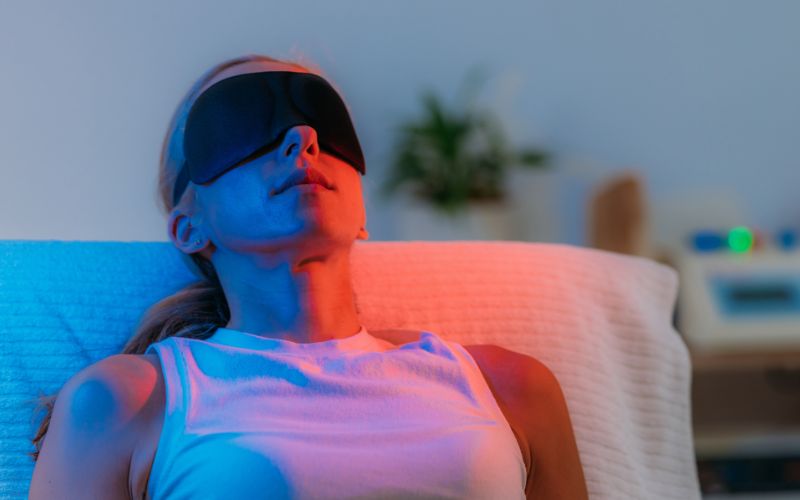
- LED light therapy is a non-invasive treatment.
- Red light boosts collagen to reduce wrinkles, blue light fights acne-causing bacteria, and near-infrared light supports deep tissue repair.
- Key benefits include: improving skin elasticity, reduced acne inflammation, accelerated wound healing, and potential relief from chronic pain.
- LED therapy is generally safe with minimal side effects, though temporary redness or dryness may occur; always use protective goggles if you have light-sensitive conditions.
What Is LED Light Therapy?
LED light therapy is a non-invasive skincare treatment that uses specific wavelengths of light to interact with your skin cells.
This interaction stimulates natural cellular processes, leading to various therapeutic effects.
Common Types of LED Light Therapy
The most common types include red light and blue light.
- Red Light penetrates deeply to boost collagen production and reduce the appearance of fine lines.
- Blue Light targets acne-causing bacteria on the skin’s surface to help clear breakouts.
- Amber Light soothes sensitivity and can improve skin’s overall radiance.
- Near -infared light reaches the deepest layers to support healing and reduce inflammation.
| Light Color | Primary Wavelength Range (nanometers) | Main Skin Benefit |
|---|---|---|
| Red Light | 620–700 nm | Anti-aging, collagen stimulation |
| Blue Light | 400–470 nm | Acne treatment, antibacterial |
| Amber Light | 570–620 nm | Soothing, circulation improvement |
| Near-Infrared Light | 700–1200 nm | Deep healing, pain relief |
How LED Light Therapy Works
LED light therapy works through a process called photobiomodulation.
Your skin cells absorb the light energy, which then fuels cellular activity. Different light colors penetrate the skin at varying depths and trigger distinct biological responses.
It activates cellular functions and stimulates fibroblasts. LED light therapy can also reduces inflammation in targeted areas and regulates oil production in sebaceous glands.
Key Benefits of LED Light Therapy
Improving Skin Health and Reducing Aging
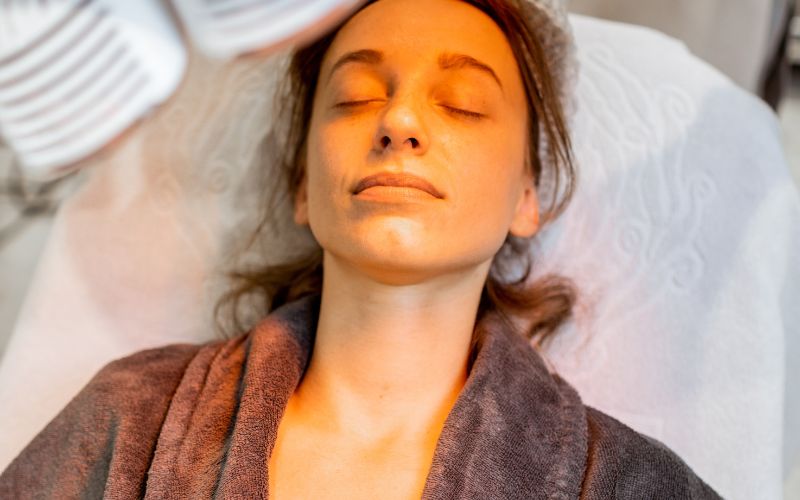
Red LED light therapy stimulates your body’s natural collagen and elastin production. This process diminishes fine lines, improves skin texture, and reverses sun damage effects. Enhanced blood circulation from the red light further rejuvenates your skin’s tone and texture.
Treating Acne and Reducing Inflammation
Blue LED light targets and eliminates acne-causing bacteria on your skin. This action reduces active breakouts and prevents future acne without causing irritation. Yellow light therapy soothes your skin by calming redness and promoting lymphatic drainage for conditions like rosacea.
Promoting Wound Healing and Hair Growth
LED therapy accelerates your body’s wound healing by reducing inflammation and promoting cellular repair. Near-infrared and yellow light wavelengths support this process, leading to minimal scarring. Some LED treatments also stimulate scalp circulation, potentially aiding your hair follicle health.
Chronic Pain and Inflammation Relief
Research indicates red light therapy reduces pain from conditions like fibromyalgia and osteoarthritis. It also alleviates post-surgery inflammation.
Cognitive Function
Early clinical research shows transcranial and intranasal red light therapy improves cognitive functions in dementia patients. Patients experience memory and mood benefits after several weeks of treatment.
Treatment of Skin Lesions
Red LED photodynamic therapy (PDT) successfully treats premalignant and malignant skin lesions. Clinical studies demonstrate high clearance rates for Bowen’s disease and basal cell carcinoma with good cosmetic outcomes.
Potential Risks and Side Effects
LED light therapy has a strong safety profile, but you might experience some mild and temporary side effects.
Common Skin Reactions
You could notice temporary skin sensitivity after a session. However, these reactions typically resolve quickly.
- Experience redness, itching, or a feeling of dryness.
- Develop increased photosensitivity, making your skin more vulnerable to sun damage.
If you apply a broad-spectrum sunscreen daily if you increase your treatment frequency.
Eye Safety Considerations
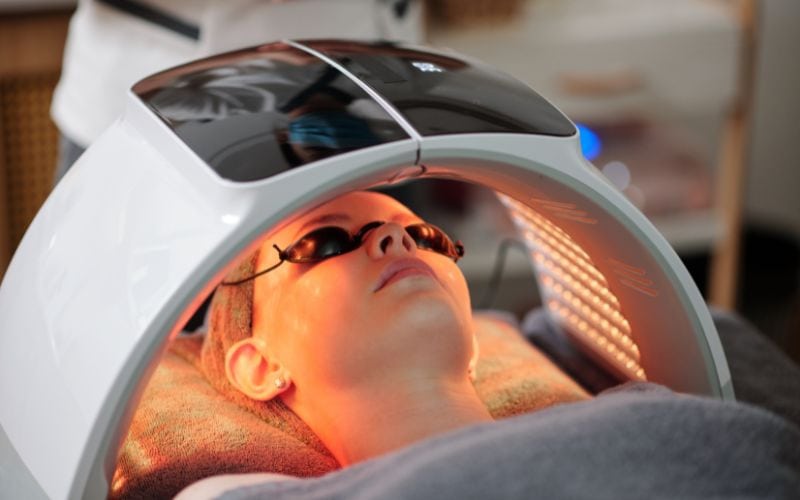
The intensity of LED light requires proper eye protection. You must wear protective goggles during every treatment to prevent potential damage.
If you don’t use eye protection this treament may cause the eye strain, dryness, or discomfort if you don’t use eye protection
The direct exposure to bright LED lights can result in retinal damage.
Precautions for Specific Conditions
Avoid treatments if you have epilepsy, active skin cancers, or are using photosensitizing medications.
Less Common General Side Effects
Some individuals report minor side effects from light-based therapies in general. These effects are not commonly linked to LED therapy specifically like feeling irritability, headaches, or experience sleep disturbances.
Please notice that the mild eye strain even with proper protection, especially during longer sessions.
Risks for Various Skin
| Skin Type (Fitzpatrick Scale) | Safety & Precautions |
|---|---|
| Type 1–2 (Very fair: burns easily, rarely tans) | Safe, but may be more sensitive to light. Start with shorter sessions (5–10 minutes) to avoid mild redness. |
| Type 3–4 (Light to medium brown: tans easily, burns occasionally) | Generally very safe. No major restrictions, but avoid overuse (e.g., daily sessions) to prevent unnecessary skin stress. |
| Type 5–6 (Dark brown to black: rarely burns, tans deeply) | Safe, but note that darker skin has more melanin, which can slightly reduce light penetration. This means results (e.g., tone improvement) may take longer—consistency is key. |
Using LED Light Therapy Safely
Professional vs. At-Home Treatments
Professional light devices stand out with their use of higher-powered, medical-grade LEDs.
What’s more, professional treatments can deliver faster and deeper results through tailored protocols. During professional sessions, expert oversight also helps minimize potential side effects.
In contrast, although at-home devices provide a more convenient and repeatable routine, professional treatment is still safer than at-home treatment.
Who Should Avoid LED Light Therapy
Certain individuals should consult a healthcare professional before starting LED therapy.
- Pregnant women avoid LED therapy due to limited safety data.
- Autoimmune diseases individuals with conditions like lupus may experience light sensitivity.
- Epilepsy those with epilepsy should be cautious, as light exposure could potentially trigger seizures.
- Photosensitizing medications people taking certain antibiotics or acne medications like Accutane risk skin irritation.
Frequently Asked Questions
Does LED therapy actually work?
Yes, LED therapy is supported by the scientific evidence. Red and near-infrared light can stimulate collagen, reduce wrinkles, and accelerate wound healing. Combining red and blue light is effective for treating acne.
How to use red light therapy for knee pain?
To use red light therapy for knee pain, use a device that emits red or near-infrared light, as these wavelengths penetrate deeply.
Are there any side effects to LED light therapy?
LED light therapy is generally safe with minimal side effects. Some users may experience temporary, mild skin reactions like redness, itching, or dryness.
What is the difference between professional and at-home LED devices?
Professional devices use higher-powered, medical-grade LEDs, delivering faster and deeper results. At-home devices are more convenient and designed for safe, personal use but have lower power.
Does red light therapy improve skin tone?
Yes, red light therapy can help improve skin tone, though its effects are typically gradual and vary by individual.
Its benefits for skin tone stem from how it interacts with skin cells at the molecular level, targeting key factors that influence unevenness, dullness, or discoloration:
Is LED light therapy safe for all skin types?
LED light therapy is generally safe for variety of skin. It rarely causes burns or severe irritation.