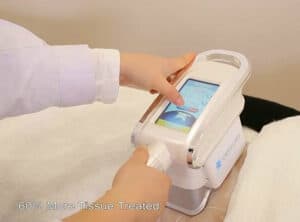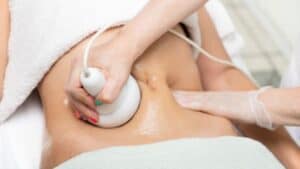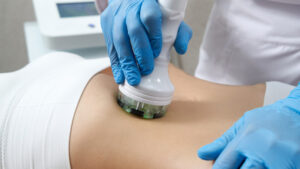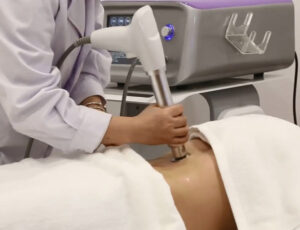
The best non-surgical fat reduction machine is the one that fits your clinic’s client goals, treatment model, staffing, room capacity and budget. Cryolipolysis is commonly suited to premium localized contouring, laser lipo to repeatable body-care programs, cavitation to flexible contour-focused packages, and RF to body-firming and skin-texture support. The comparison below will help you turn those differences into a practical equipment decision.
Quick Comparison of Fat Reduction Machines
| Technology | Primary service role | Typical package format | Best clinic fit |
| Cryolipolysis | Localized contouring for selected areas with pinchable tissue | Area-based or multi-applicator premium plans | Clinics with strong consultations, trained staff and higher-value positioning |
| Laser lipo or Lipo Light | Low-level light within a non-invasive body-care program | Multi-session plans and memberships | Salons and clinics seeking accessible, repeatable appointments |
| Ultrasound cavitation | Contour-focused body treatments, often combined with other modalities | Body-area series with progress reviews | Businesses that want a flexible body-shaping menu |
| Radio frequency | Controlled warming for body firmness and skin-texture support | Standalone series or an add-on to contouring plans | Clinics serving clients concerned with laxity, texture or cellulite appearance |
These categories address different priorities. A clinic can carry one focused platform or combine technologies when staff can explain and operate every modality consistently.
Match Equipment to Client Goals
Start with the concerns that clients bring to consultation. Localized abdominal or flank fullness points toward a different service than mild skin laxity, thigh texture or a desire for ongoing body maintenance. Record the client’s main concern, relevant history, skin condition, expectations, available time and willingness to complete a treatment series.
Present body-contouring services as part of a broader care plan for suitable clients. Weight management depends on medical, nutritional, activity and lifestyle factors. Clear positioning helps clients understand the purpose of each service and gives staff a sound basis for recommending a package.
Cryolipolysis for Localized Contouring
Cryolipolysis uses controlled cooling applicators on selected body areas. Its commercial strength is focused, premium positioning: clinics can plan services by area, applicator size or number of simultaneous placements. The treatment model works best when the provider has a structured consultation, documented candidacy screening and a clear review process.
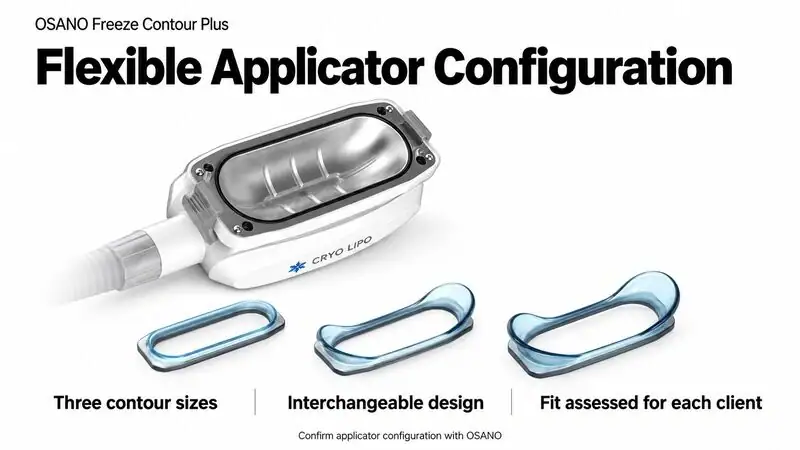
The OSANO Freeze Contour Plus LM-S600X-4 is an example of a cryolipolysis platform with four applicators and interchangeable contours. Its product page describes cryolipolysis, vacuum and soft-laser functions. Buyers should confirm the exact applicators, temperature-control system, electrical requirements, included accessories, documentation and training for the ordered configuration.
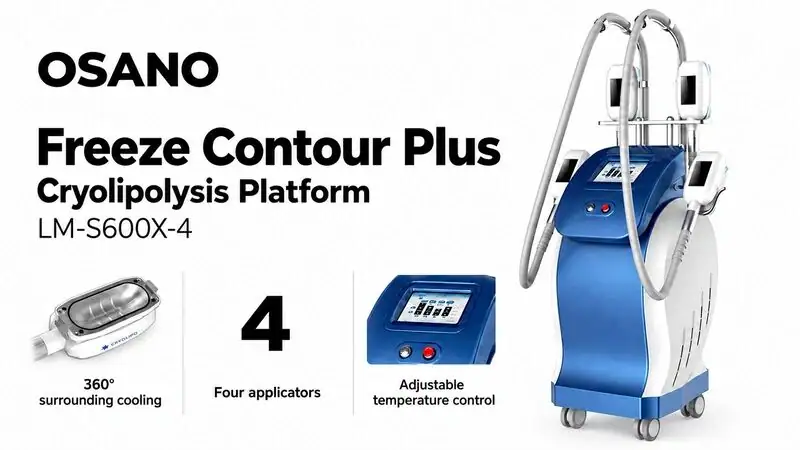
Cryolipolysis usually carries a higher purchase price and requires more careful treatment mapping than compact body-care devices. It suits clinics that can support longer consultations, higher-value packages and disciplined client selection. Commercial planning should include applicator membranes or other consumables, room turnover, maintenance, staff time and after-sales support.
Laser Lipo for Repeat Body-Care Programs
Laser lipo and Lipo Light systems generally use low-level light applicators within non-invasive body-care programs. Their compact footprint and pad-based workflow can suit clinics that want recurring appointments at a more accessible price point. The service can be paired with appropriate lifestyle guidance, massage or other compatible modalities within the provider’s training and local scope.
The OSANO LM-S500D-1 Lipo Laser Slimming Machine combines lipo laser pads with 40K cavitation and RF. For a buyer, the important questions include the number and size of pads, wavelengths, cable durability, timer and output controls, pad-cleaning process, treatment coverage, replacement parts and the time required to set up each client.
Laser lipo often fits a series-based model. Clinics can create an introductory program, a focused body-area plan and a maintenance option. Package design should leave enough time for placement, removal, cleaning and progress documentation so the service remains comfortable for clients and efficient for staff.
Cavitation for Flexible Body-Shaping Packages
Ultrasound cavitation is widely used in contour-focused body programs and frequently appears in multi-function equipment. It can support treatments for suitable body areas when the operator follows the manufacturer’s instructions, applies appropriate settings and works within local rules.
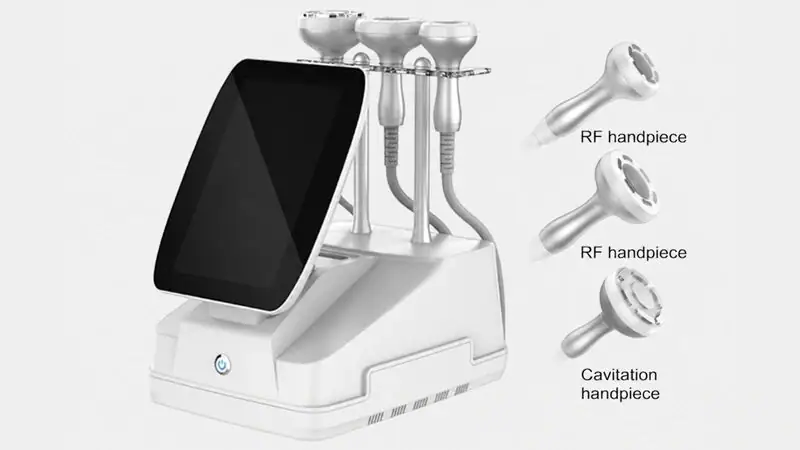
Cavitation has strong menu flexibility because it can be paired with RF, vacuum massage or LED functions on a compatible platform. That flexibility also increases training demands. Staff need a written protocol for treatment mapping, session intervals, contraindications, aftercare, equipment cleaning and escalation when a client falls outside the clinic’s scope.
When comparing cavitation machines, review the stated frequency, output controls, handpiece design, cooling, treatment modes, cable management, repair access and supplier training. A machine creates value when operators can deliver a consistent workflow across every session.
RF for Firming and Texture Support
Radio frequency uses controlled energy delivery to warm tissue. In body services, clinics commonly position RF around firmness, smoother-looking texture and contour refinement. It can suit clients whose main concern is mild laxity or cellulite appearance, and it can complement a broader body-contouring plan.
The OSANO DualFit S500V5 4-in-1 Cavitation Machine combines 40K cavitation, multipolar RF, vacuum therapy and LED in one handpiece. The product page lists a 500 W output, 40 kHz cavitation and 1 MHz RF. Buyers should confirm these values in the quotation and operating documentation, together with the available modes, handpiece configuration and service terms.
RF purchasing decisions should cover energy control, contact and temperature-management guidance, treatment-head size, vacuum integration, consumables and cleaning. Clinics also need clear language for client communication. Describe RF as a body-firming and skin-quality service with outcomes that vary by individual and treatment plan.
How Supporting Modalities Fit
Vacuum therapy and mechanical massage
Vacuum and roller functions can support massage-led services for body texture and cellulite appearance. Their hands-on feel can work well in recurring packages. Buyers should check vacuum modes, roller direction, cup or head sizes, hose quality, cleaning procedures and staff control over treatment intensity.
EMS and electromagnetic sculpting
Electrical muscle stimulation and high-intensity electromagnetic platforms focus on muscle activation and conditioning. They belong to a different service category from controlled cooling, low-level light and ultrasound cavitation. Clinics should use the exact technology name supplied with the device and connect every marketing claim to the documented system.
Muscle-focused equipment can become a later-stage purchase for a clinic that already has a stable contouring service. It broadens the menu while preserving a clear purpose for each platform.
Single-Function vs Multi-Function Machines
A single-function machine suits a clinic with a defined specialty, established demand and staff trained around one core service. Dedicated cryolipolysis equipment is a common example because the clinic can build its consultation, room workflow and pricing around localized cooling treatments.
A multi-function fat reduction machine suits a smaller clinic or salon that wants several package options from one footprint. Cavitation, RF, vacuum and light-based functions can serve different client goals without filling the room with separate devices. The commercial value depends on operator competence across the full system.
List the functions your team will use during the first six months. Estimate realistic demand for each one. This simple exercise helps separate practical capability from an impressive feature count.
How to Compare Supplier Quotations
Confirm the exact technology and configuration
Record the model number, technology type, wavelengths or frequencies, treatment heads, applicator sizes, output controls, cooling method, screen and software version, power supply, plug type and included accessories. Ask the supplier to identify every optional component and every item included in the quoted price.
Review safety, training and documentation
Request the operator manual, treatment guidance, contraindication information, cleaning instructions and documents relevant to your market. Clarify the training format, trainer access, support for new staff and the process for technical questions after installation. Local regulation, insurance and professional scope should guide the final service plan.
Calculate the total operating cost
Include shipping, import costs, room preparation, consumables, replacement parts, preventive maintenance, staff training, marketing and expected downtime. Compare warranty duration, exclusions, remote support, repair turnaround and spare-part availability in writing.
Test the treatment-room workflow
Measure the available floor space and confirm ventilation, power and trolley movement. Map setup, treatment, cleaning, storage and room turnover. A compact machine can still create a slow service when pads, hoses or handpieces are difficult to organize.
Pricing and Package Design
Match pricing to the technology and appointment structure. Cryolipolysis often fits area-based or multi-applicator pricing. Laser lipo, cavitation, RF and vacuum therapy often fit treatment series, memberships or combined body-care programs.
A practical menu can include a consultation, an introductory session, a focused body-area series and a multi-technology program. Give every package a clear purpose, recommended review point and realistic explanation of individual variation. Progress records, consistent scheduling and informed client communication support retention more effectively than fixed promises about centimeters, weight or permanence.
Non-Surgical Fat Reduction Machine FAQs
Which machine is best for a new clinic?
Choose the category that matches your first target clients, staff capability and package model. Compact laser lipo or multi-function cavitation and RF platforms can support a broad entry-level menu. Cryolipolysis can suit a premium localized-contouring model when the clinic has the consultation process and budget to support it.
Can RF replace cryolipolysis or cavitation?
RF usually serves a different primary role. Clinics commonly use it for body-firming and skin-texture support, either as a focused service or within a combined contouring program. Select the technology from the client’s main concern and the provider’s documented protocol.
What should I ask before buying?
Confirm the exact model, treatment technologies, control ranges, handpieces, safety systems, electrical requirements, training, warranty, technical support, consumables, spare parts and total landed cost. Request written specifications and compare quotations line by line.
Final Recommendation
Cryolipolysis is a strong fit for premium localized contouring, laser lipo for repeat body-care plans, cavitation for flexible contour-focused packages, and RF for firmness and texture support. Build the purchase around the clients you serve and the workflow your team can sustain. To compare OSANO configurations, training and support for your market, Contact Us and share your preferred services, room size and target budget.