A body firming machine can help a clinic build structured, non-invasive programs for clients concerned about mild skin laxity, crepey texture, cellulite appearance or reduced body definition. The best technology depends on the treatment goal: RF is commonly selected for heat-based skin tightening, ultrasound adds contouring flexibility, and microcurrent supports gentle muscle activation and maintenance care.
This guide explains how each technology works, where it fits in a clinic menu, and what buyers should check before investing.
What Does a Body Firming Machine Do?
Body firming equipment is designed to support the appearance of smoother skin and more defined contours without surgery. Depending on the platform, treatment energy may be delivered through radio frequency, ultrasound, electrical current, vacuum massage, rollers, light or electromagnetic stimulation.
Each modality has a different purpose. RF creates controlled thermal energy in selected tissue layers. Ultrasound uses acoustic energy and may be configured for contour-focused applications. Microcurrent delivers low-level electrical stimulation. Vacuum and rollers provide mechanical massage that can be combined with energy-based treatments. Electromagnetic systems create stronger muscle contractions and belong to a separate category of body-sculpting equipment.
Clinics should present these services as appearance-focused treatments. They should not be marketed as a replacement for surgery or as a guaranteed method of fat removal. A professional program begins with a consultation, health screening, treatment mapping and realistic communication about what a client can expect from a course of sessions.
RF Body Tightening Equipment
Radio frequency remains one of the most widely used technologies for body skin-firming services. RF energy produces controlled heating, and this thermal effect is used in treatment plans designed to improve the look of loose or uneven skin. Clinics may apply RF to the abdomen, thighs, buttocks, upper arms, back and other suitable areas.
Bipolar RF is often integrated with vacuum or roller systems. Vacuum action helps lift and mobilize the tissue during treatment, while RF contributes a heat-based skin-tightening step. This combination can be useful for cellulite-focused body care, especially when the clinic wants to offer a consistent protocol with measurable treatment zones.
When comparing RF machines, review the operating frequency, adjustable power levels, treatment head size, contact sensors, cooling controls and emergency shut-off system. A machine should allow operators to adapt energy delivery to different body areas and client comfort levels. Clear controls and practical handpiece ergonomics matter because a treatment that is difficult to operate can reduce consistency across staff members.
RF is usually the strongest first choice when the clinic’s main commercial message is smoother-looking skin and improved firmness. It can support single-area sessions as well as multi-session packages. Operators still need training on contraindications, skin assessment, coupling medium, movement speed and temperature monitoring.
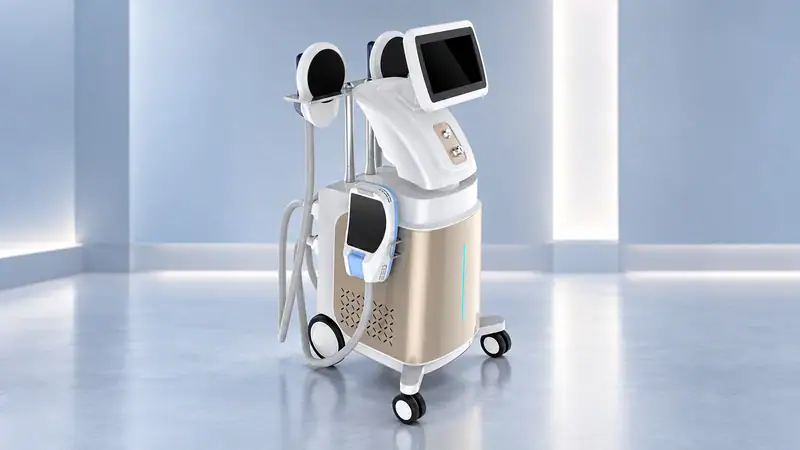
Ultrasound for Body Firming and Contouring
Ultrasound equipment covers several applications, so buyers should examine the exact technology rather than relying on the word “ultrasound” alone. Low-frequency ultrasound cavitation is generally associated with contour-focused programs, while focused ultrasound platforms deliver energy to more targeted areas. The intended use, handpiece design and operating parameters determine the appropriate protocol.
Ultrasound can suit clinics that want to expand beyond heat-based skin care. It may be included in a body-contouring plan for areas such as the abdomen, flanks or thighs, often alongside RF, vacuum massage or other supportive services. Some multi-function platforms allow the operator to move from an ultrasound step to a skin-firming or massage step within one appointment.
Before purchase, check the device frequency, output range, treatment head construction, contact requirements and safety instructions. Training should cover treatment mapping, movement patterns, exposure time and client screening. Operators also need a clear explanation for clients about the difference between contour support and permanent fat removal.
Ultrasound adds service flexibility, yet it may require more careful positioning in the clinic menu. It works best when the business has a defined consultation process and a protocol that explains why ultrasound is being used for a particular client and area.

Microcurrent Body Treatments
Microcurrent uses low-level electrical current and is commonly positioned as a gentle muscle-activation or body-maintenance treatment. It does not rely on thermal heating, which makes it relevant to clinics that want a lower-intensity option for clients who prefer a mild treatment experience.
Microcurrent may be used on selected body areas as part of a maintenance plan or combined with other services on a multi-function platform. Its commercial role is different from RF skin tightening and ultrasound contouring. It can complement a broader menu, but it should be described accurately so clients understand the expected purpose of the session.
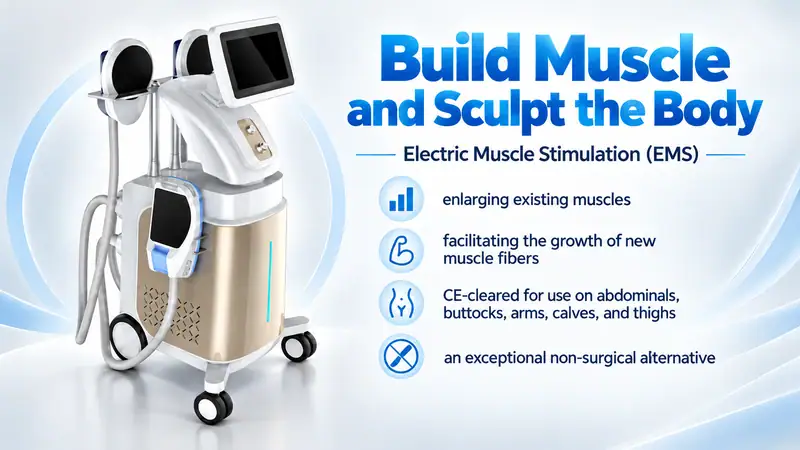
Microcurrent should also be distinguished from high-intensity electromagnetic body-sculpting equipment. Electromagnetic systems are designed to create stronger involuntary muscle contractions, while microcurrent generally operates at a much lower intensity. For clinics focused on muscle activation, a platform such as OSANO Magslim Standing New Handle 10 may belong in a separate evaluation category from a microcurrent facial or body-maintenance device.
RF, Ultrasound and Microcurrent Compared
RF is generally the best fit when the primary goal is the appearance of firmer, smoother skin. It is suitable for clinics building cellulite-focused or skin-quality packages and can be adapted to several body areas.
Ultrasound is useful when the clinic wants to add localized contour support or a deeper energy-based step to its service menu. It may be more commercially valuable for businesses that already have a consultation process and want to create a broader body-shaping program.
Microcurrent is a supportive modality for gentle maintenance and muscle-activation services. It can help a clinic offer variety, yet it does not replace the thermal action of RF or the contour-focused role of ultrasound.
A multifunction platform can be practical for a smaller clinic with limited treatment rooms. Combining RF, vacuum, rollers, ultrasound, cavitation, LED or microcurrent in one system may reduce equipment duplication and create more package options. The trade-off is that staff must understand every handpiece, setting and contraindication. A device with many functions is valuable when the clinic has a clear plan for using those functions.
How to Choose Equipment for Your Clinic
Start with the service you want to sell most often. If clients mainly ask about loose-looking skin, uneven texture or cellulite appearance, an RF platform with vacuum or roller support may be the most direct fit. If consultations focus on localized contour refinement, ultrasound or cavitation may add more value. If the clinic’s identity centers on muscle activation and body sculpting, compare electromagnetic systems alongside lower-intensity electrical devices.
Next, review the practical details that affect daily operations:
- treatment head sizes and replacement cost;
- adjustable energy settings and preset protocols;
- cooling, contact detection and emergency controls;
- treatment time for each body area;
- cleaning and maintenance requirements;
- warranty coverage and spare-part availability;
- operator training, manuals and technical support;
- electrical requirements, footprint and storage space.
The purchase price is only one part of the investment. A less expensive machine can become costly if training is limited, consumables are difficult to source or service support is slow. Ask the supplier for a complete specification sheet, realistic treatment guidance and details of after-sales support.
Pricing and Package Strategy
Body-firming services are usually easier to position as programs than as isolated appointments. A clinic can begin with a consultation and treatment map, then offer a series of sessions with progress reviews. Optional additions may include vacuum massage, LED, stretching guidance or lymphatic-style body care, provided the equipment and staff training support those services.
Package language should focus on professional assessment, personalized treatment planning, skin-quality support and progress tracking. Avoid promises about a fixed number of centimeters, permanent fat removal or instant transformation. Clear communication protects the client relationship and gives staff a consistent way to explain the role of each technology.
Clinics can also create separate packages for different priorities: an RF skin-firming course, an ultrasound contour-support course, or a gentle microcurrent maintenance plan. A combined package may be appropriate when the consultation shows that more than one treatment objective is relevant and the protocols are compatible.
Final Buying Checklist
Before placing an order, confirm that the machine matches your target client, treatment room and staff capability. Request product images, a live demonstration or training materials so the team can understand the controls before launch. Confirm the intended use of every handpiece and document screening requirements for common client conditions.
It is also useful to plan the first three months of service delivery. Decide which areas will be treated, how many sessions belong in each package, how progress will be recorded and which staff members will perform the treatments. This preparation turns a machine purchase into a workable clinic service.
Contact Us
RF offers a strong foundation for skin-firming programs, ultrasound adds contouring versatility, and microcurrent provides a gentle maintenance option. The right choice depends on your clinic’s goals, space, budget, training plan and client profile. Contact Us to discuss suitable body firming equipment, treatment configurations and service planning for your business.